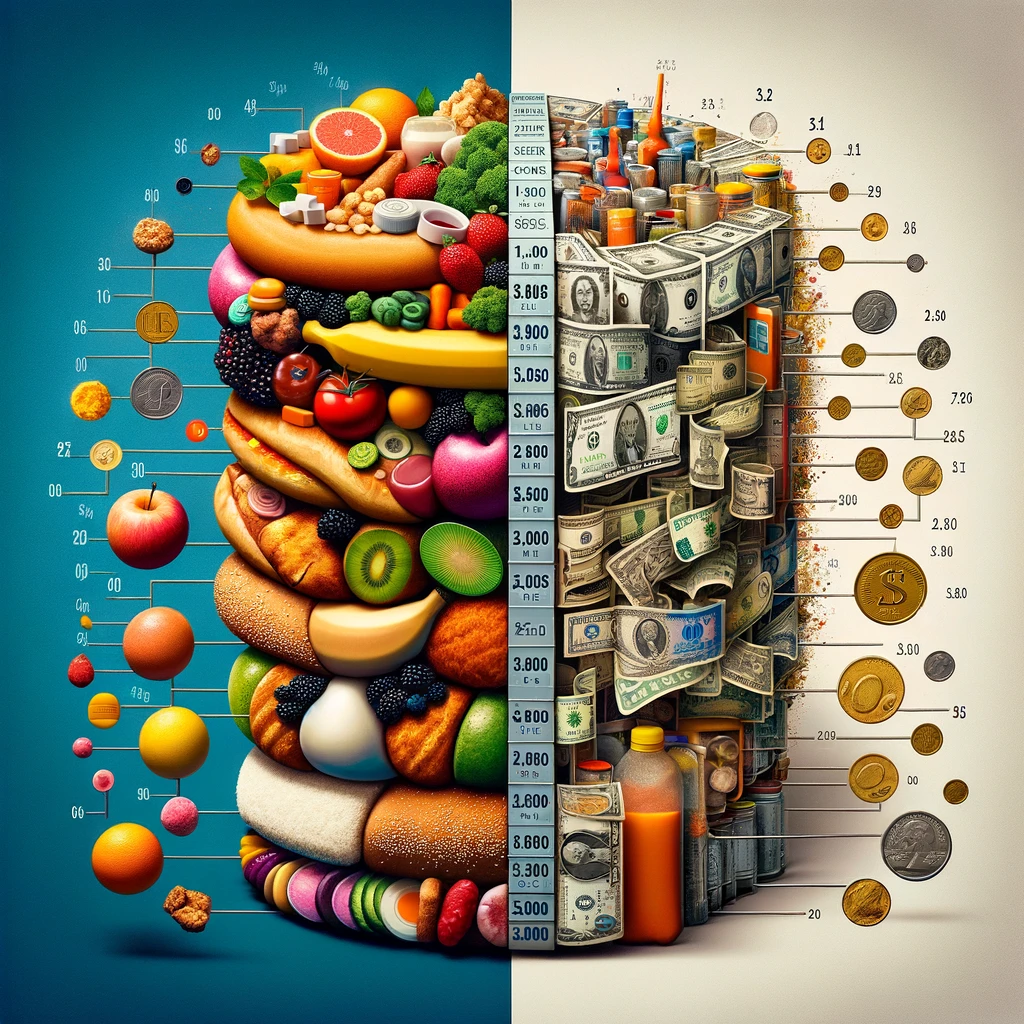
Perhaps the concept of calories is similar to the symbolic concept of money. These concepts represent a standard currency of energy, resources, and value.
No doubt, food and money go hand in hand.
Just like money means different things to different people, calories contain various levels of value despite using the same numerations.
In this article, you will learn about:
Purpose and historical context of calories
Why modern humans have such deteriorating health
Complexities of metabolism and benefits of real food
Evidence of nutrients ability to burn fat (and limitations of calorie deficits)
Possible route forward for your own health journey
While there exists a great deal of anger and frustration regarding the unfair treatment of people experiencing obesity — larger bodies and insufficient medical treatment — the purpose of this article is to offer nutritional therapy perspectives theorizing possible roadmaps to healing despite obstacles embedded within humanity’s collective health consciousness.
If you are a person who is physically fit, then enjoy your gift and have compassion for those not currently able to experience such fortune.
I am seeking allies to support the mission of healing.
Let’s begin:
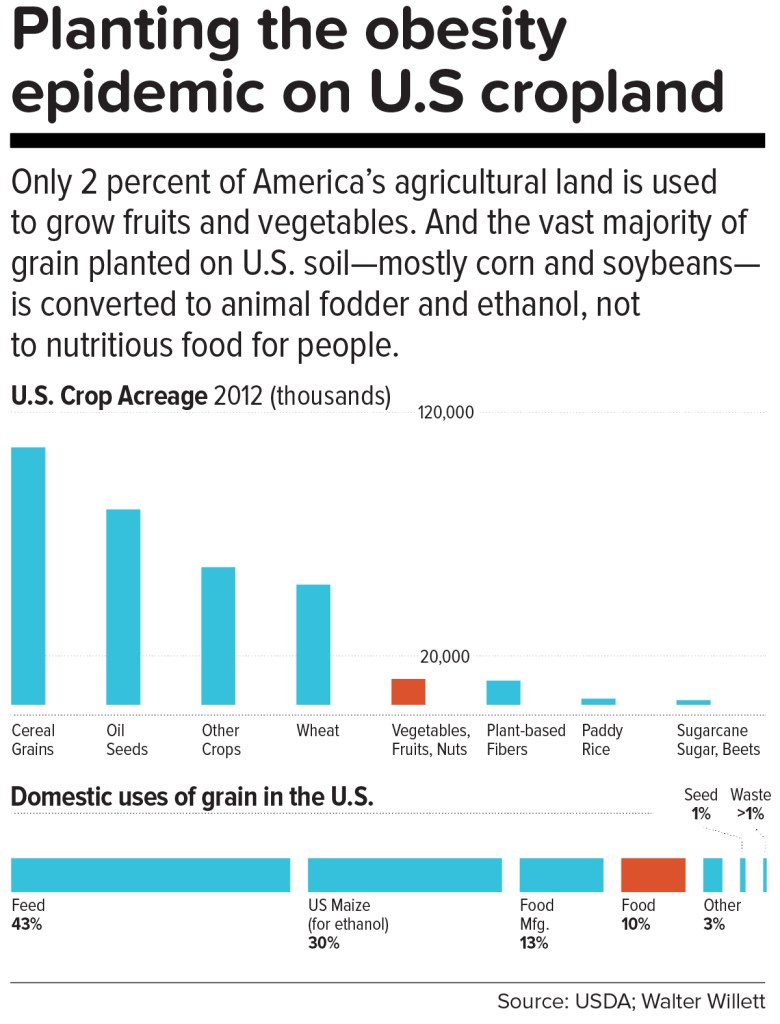
1. Consumers must recognize the impact of the U.S. Farm Bill which provides subsidies on corn, wheat, soy and other cash crops. Restructure investments towards regenerative agriculture and sustainable infrastructures that promote ecological diversity.
There are an incredible amount of environmental factors at play with regard to obesity that include our relationships with other people as well as the intentional marketing of ultra-processed food-like substances.
What are the dangers of ultra-processed foods on metabolism and likelihood to get disease at a younger age?
We can direct our attention to the source of ailment.
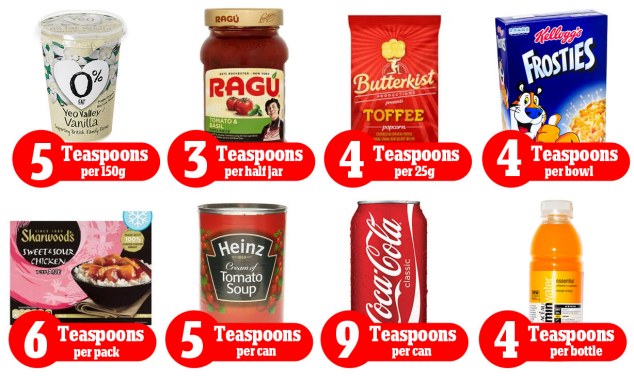
Ultra-processed edible commodities undergo refining processes which, “add value,” by reducing the nutrient density of subsidized crops into hyperpalatable, branded for kids or adults, and colorfully marketed food-like products that contribute to the disease of modern humanity.
It is perhaps of great concern that the majority of human disease is caused by diets and blaming the consumer is an absolute scapegoat by the powers in play. I don’t think people realize the seriousness of diabetes or insulin resistance and also the ability of the body to recover when certain dietary inflammation causing offenders are eliminated.
Increased ultra-processed food consumption was associated with a worse cardiometabolic risk profile and a higher risk of cardiovascular disease, cerebrovascular disease, depression, and all-cause mortality.
Added sugar is absolutely not necessary for a healthy lifestyle.
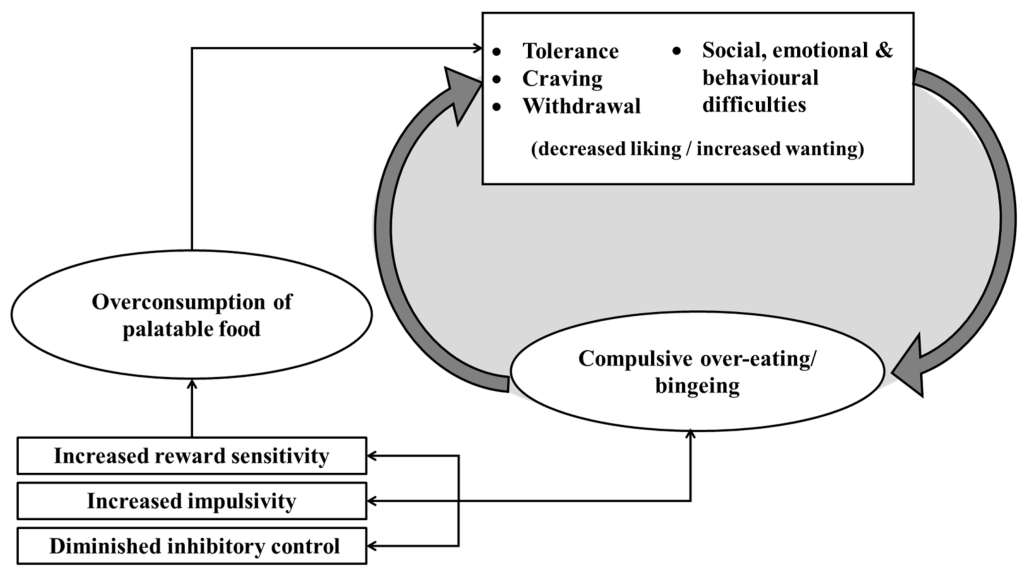
Today, many bodies are already becoming metabolically obese at an even younger age. Growing up with parents in larger bodies could behaviorally reinforce certain disordered or addictive eating patterns. At the very least, we become accustomed to brands and marketing at an extremely young age and this plays a role in the comfort eating, relapse cycle common amongst people.
An option is to intentionally consume fresh food which is less convenient, yet can improve human health and wellness potential from brain to body (starting from the gut center). One doesn’t have to always enjoy vegetables, but one can appreciate putting disease into remission through nourishing practices and faith in the process.
Even better is to prevent disease. As they say, an ounce of prevention is worth a pound of cure. That’s why I believe we need more effective nutritional education programs for young families. If the government cannot achieve this task, then it’s clear that there must be an organic effort which arises from the individual and community levels.
Socially conscious business can also have a major impact while enjoying growth and revenue by serving the wellness of others.
Change isn’t easy in a culture where vice is normalized and promoted.
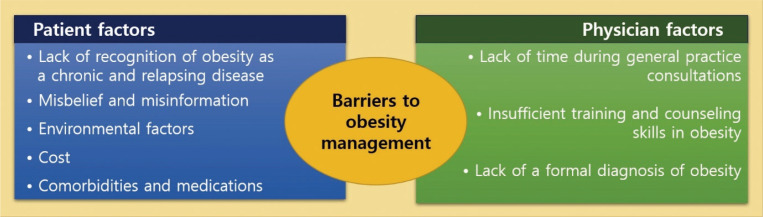
If a doctor gave a meal plan to a family living with obesity, in most cases it’s not something they could stick to for any sustainable period of time. Still, we shouldn’t put so much blame on the parents because they are under a lot of stress from things that wear down on them sometimes like their job or dependents.
Blaming the parents is not the answer because the health crisis is on a GLOBAL level. Despite the effects of obesity being felt and experienced on an extremely personal level, it’s difficult to maintain discipline in our challenging environment rife with nutritional misinformation at every aisle. However, a person can feel proud when using energy to pursue virtue or whatever may be relevant in your own personal context.
The preponderance of evidence to date suggests that healthy dietary patterns reduce the risk of the major diet-related chronic diseases, such as diabetes, cardiovascular disease and some cancers.
If a person lives with obesity for any period of time, it will be challenging to cure it. Ultra-processed food addiction is a commonly relapsing disease as is obesity itself. For people who grew up with obesity, it could be that their reward pathways in the brain have reinforced certain habits, values, and beliefs.
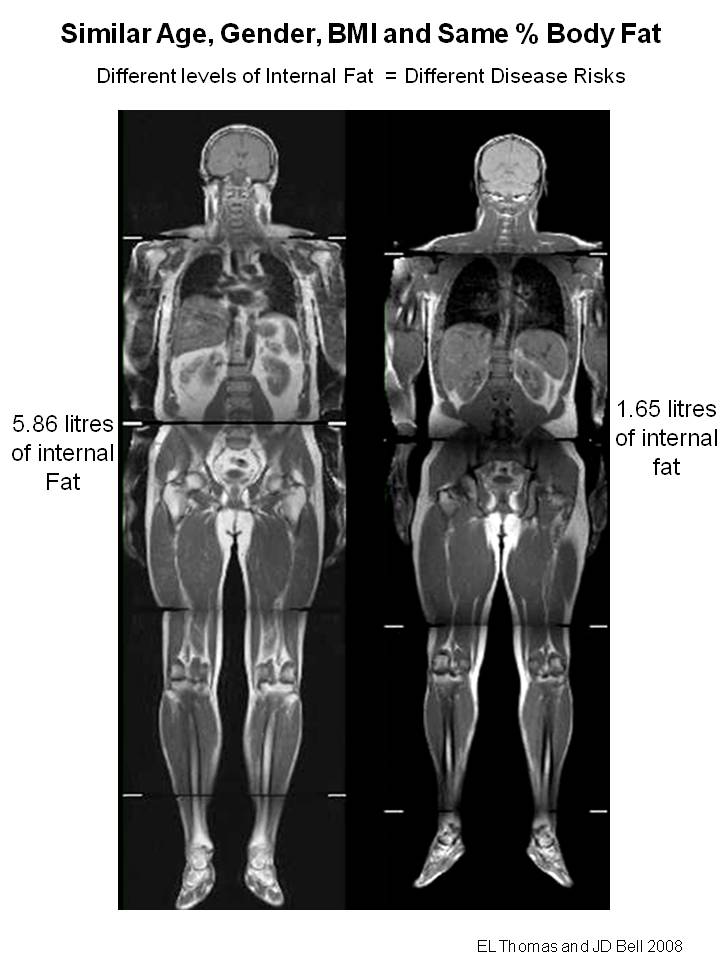
Metabolic obesity can occur in people of “normal” weight ranges and refers to the ways in which fat builds up around organs and causes biological damage by inflaming.
In the 1980s, the first study of the MONW (metabolic obese normal weight), a phenotype that is characterized by metabolic diseases in people with normal body weight. Since then, no uniform criteria have been established for MONW deployment, which has created difficulties in identifying affected individuals. Recent work has appeared describing the TOFI phenotype, which seems to lead to the appearance of MONW. People affected by this problem, in spite of undersized fatty tissue, have an increased amount of adipose tissue surrounding the internal organs, which increases the risk of insulin resistance and type 2 diabetes.
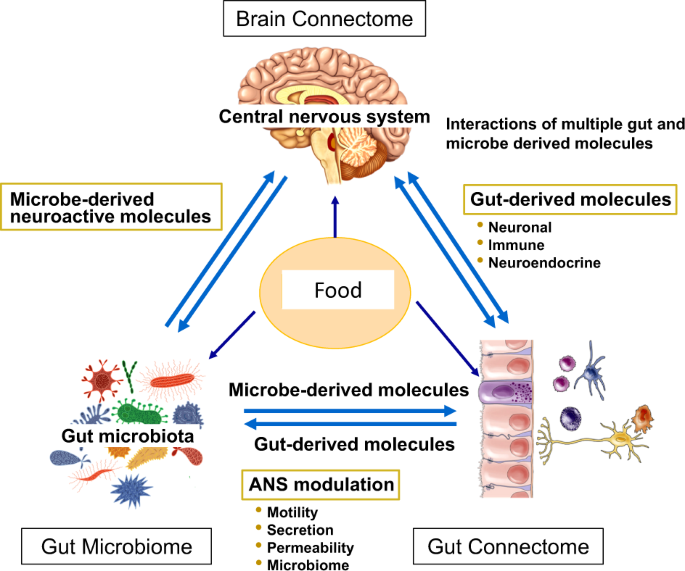
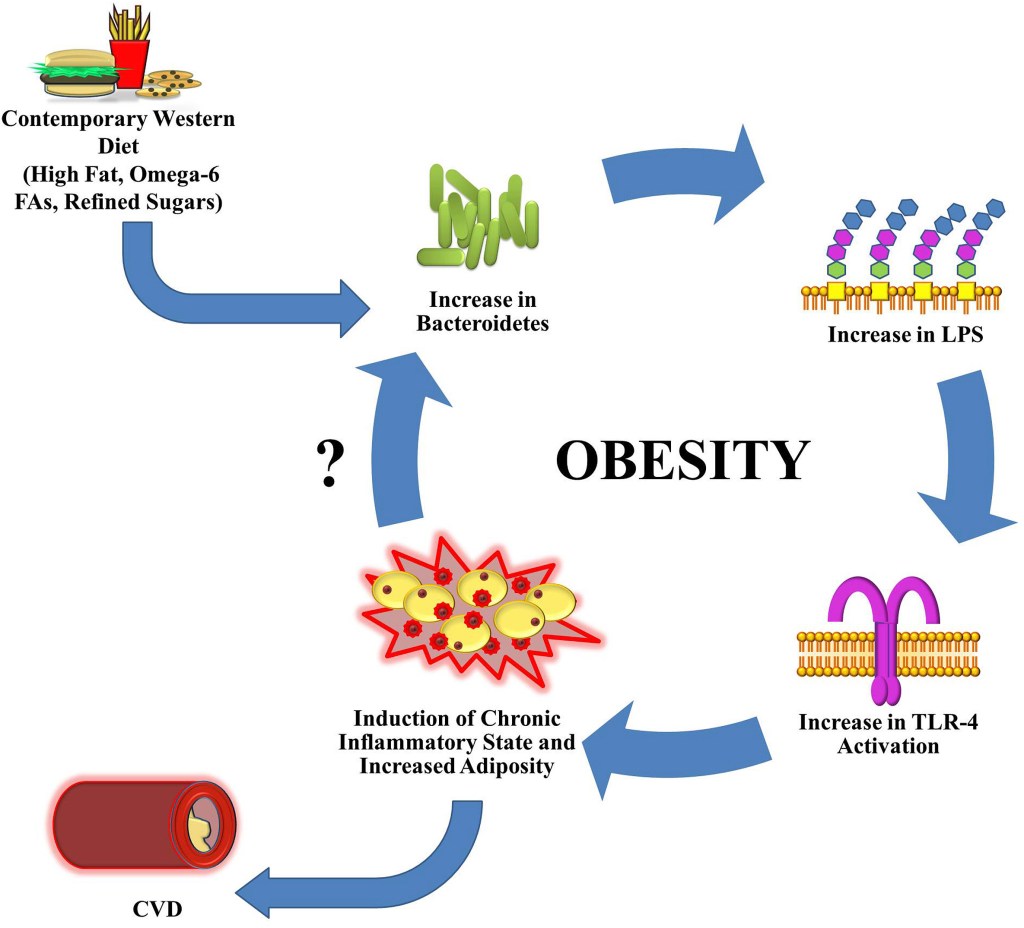
Gut bacteria plays an extremely important role in human metabolic function. The gut microbiome of a child living with obesity can become strongly entrenched and typically skews the balance of bacteria unfavorably for the host.
Altering the gut bacteria microbiome is certainly possible when eating fermented foods and herbs. However, effectively improving the microbiome does quire significantly reducing many of the offending foods available to a modern person. Taking action to consume your personal healthiest and best foods for your own bio-individuality consistently requires sacrifice, however I firmly believe that you can maintain trueness of self in this process.
As obesity is an inflammatory condition, the gut cannot, “cool the fire,” so to speak. The gut becomes imbalanced and dominated by bacteria that confer metabolic damage to the host.
If the gut was never balanced to begin with, starting as an infant, the person would have the most difficult challenge making lasting microbiome changes through diet alone. It’s why human fecal transplants are being investigated as a promising therapeutic.
That is a reason why simply decreasing caloric intake is insufficient to fix the imbalances reinforced by the obesogenic state.
To promote healthy fat burning potential, your cellular mitochondria must have sufficient or optimal function.
Imbalance of the microbiome is not something that a simple calorie restricted diet can solve. Everything a person consumes internally will have some impact on the gut microbiome. Prebiotic foods like onions or garlic can feed the beneficial bacteria which support metabolic health. On the other hand, highly processed foods with chemical additives exacerbate health issues caused by imbalance and poor diversity of the gut microbiome.
To alter course from processed, convenient consumption to deliberate, intentional nutritional therapy may be necessary in order to promote disease prevention and longevity.
Even though you may notice not so happy thoughts about your body at times, as long as you can find room for forgiveness, thenyou will always be able to move forward despite the most trying of circumstances.
2. Drink more high quality water.
And be mindful of your salt.
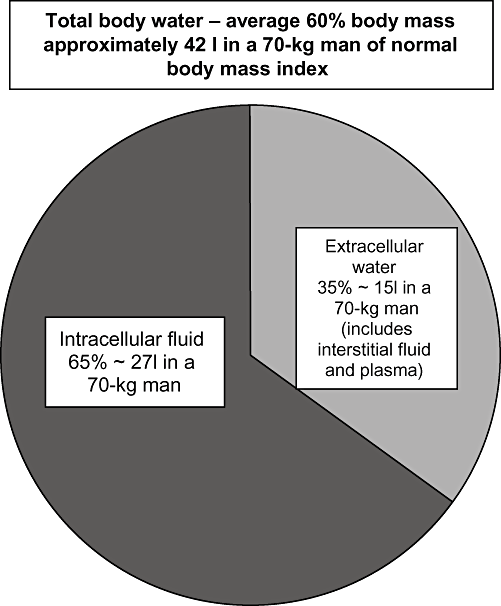
Because hydration is extremely important in the battle to reduce inflammatory body fat which surrounds and impedes the organs.
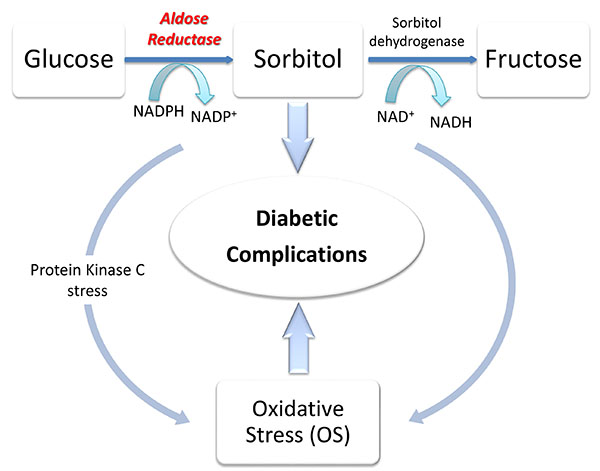
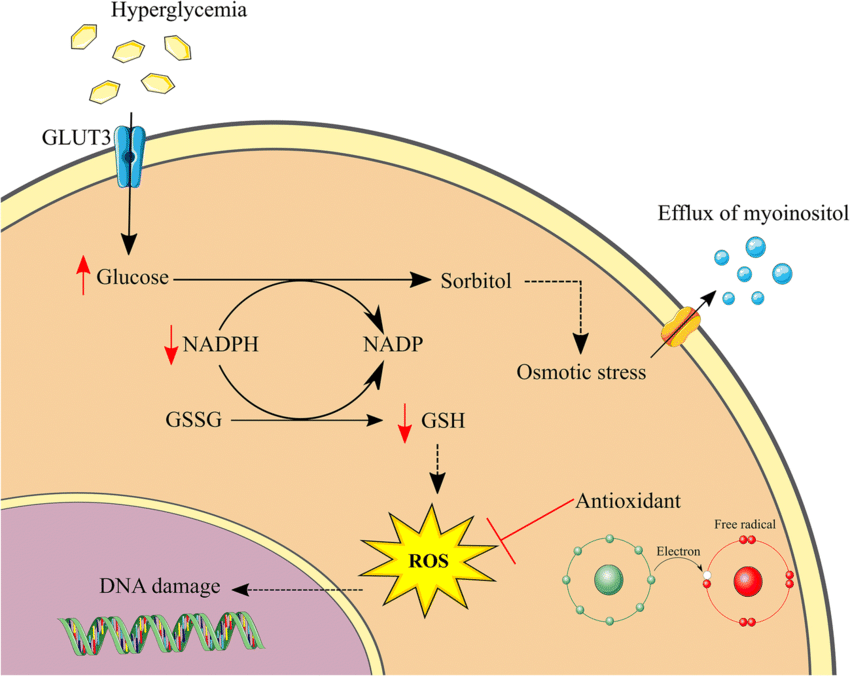
Have you heard of the POLYOL pathway which is why people gain more fat when they become dehydrated and consume added sugar?
It is a glucose-sensing process, so it activates in conditions in which large concentrations of glucose flood the blood stream. The consequence is that survival genes become activated or expressed and these genes specifically relate to the production of triglycerides from glucose.
According to the theorized carbohydrate-insulin model of obesity, when glucose rapidly converts to fat by driving insulin to extreme levels, the organs become starved of energy due to the lack of optimal glucose being available for brain and organ function. Thus, after the sugar is quickly turned into fat, the person becomes hungry again as their organs struggle to maintain energy balance.
This doesn’t even account for the inflammation spike caused by sugar and insulin metabolism which over time can accumulate into lasting and irreversible damage to the host.
When you don’t drink enough water, the blood sugar levels will increase and the body has a process to deal with it (and this process has metabolic consequences).
Activation of the polyol pathway will promote physical stress over time. Unless it’s under starving conditions, then we typically don’t want your polyol!
First off, glucose should ideally be utilized by the brain, skeletal muscle and other organs rather than converted to fructose. Even worse is that the body has to use metabolic energy to convert fructose to triglycerides.
Second, if there is a nutrient deficiency, imbalance or excess causing the rate limiting metabolic step of converting sorbitol to fructose, then an excess of sorbitol becomes built up in the cells.
As sorbitol is too large of a molecule or that there is no gene available to transcribe a transporter protein for it, it gets stuck inside the cells and causes osmotic and oxidative stress. The cells can swell or shrink in size and they may also become irregular shape and inconsistent phenotype across the same cell type.
Osmotic stress promotes metabolic disease since the interactions within a cell rely upon the congruence of water to solve biological equations.
Relevant to the etiology of the epidemic of kidney disease. The common risk factor seems to be exposure to heat and recurrent dehydration. Fructose-rich juices or beverages might compound the problem.
When you hydrate with water, it may dilute the polyol pathway and hopefully slow down the aging processes or maybe even reverse it.
This is yet another reason why a “calorie is not just a calorie,” with regard to the metabolic function of using and storing energy. If you eat a high salt, high sugar meal along with a soda, your body would probably just turn it into fat immediately instead of giving time to circulate in the blood stream and let the organsutilize it as fuel.
Further, if you already are dealing with insulin resistance, then you shouldn’t compare your eating habits to others. With poor insulin function, the inflammatory consequences become even greater.
None of this is even taking into account the role that the microbiome plays in metabolism.
The point being, drink WATER. Reduce excess sodium. Reduce added sugars.
3. Change your perspective about weight.
Even though the scientific literature presupposes that weight is the actual indicator of a normal health status, I believe that the meaning of, “weight,” is used as a proxy for body composition. People who are heavier tend to store greater inflammatory fatty deposits in and around the organ systems.
Losing weight for the purpose of losing weight may be frivolous, if not harmful or emotionally damaging if the weight returns.
There are plenty of weights that we’d like to maintain such as bone density, lean muscle, organs, and you name it. We should strive to maintain the weight and mass of essential systems while reducing the overall capacity of cells that act against our physical health.
Obesity is an inflammatory disease of the endocrine system which represents a dysfunction of adipocytes and adipose tissue. We should be targeting dysfunctional fat specifically by utilizing nutritional therapy strategies that transform the body into a less inflammatory state from the inside out, gut first.
We know fat is essential, so how can we leverage fats to empower our brains and bodies? Let’s continue on.
A short list of quantitative indicators or tests of health status that aren’t intrinsically linked to bodyweight:
Chemistry panel/complete blood count
Lipid panel / Apolipoprotein B100 / VLDL / HDL-C
Hemoglobin A1c
Prostate-specific antigen (for men)
Homocysteine
C-reactive protein
Thyroid stimulating hormone, T3, T4
Testosterone (free and total)
Estradiol/progesterone (for women)
Vitamin B12
Vitamin D
Omega-3::Omega-6 index ratio (Red Blood Cell test, not plasma)
Ferritin
Fasting Insulin
Uric Acid test
Magnesium
Saliva cortisol
Gluten Panel
If you are experiencing setbacks in your body fat percentage despite efforts to reduce food intake, perhaps it could be useful to focus on improving nutrient balance and overall nourishment instead. Take an abundance mentality to the biochemistry of natural unprocessed nutrients.
When people focus on weight loss exclusively, they tend to get a narrow view of energy balance and fail to improve their well-being especially if they succumb to toxic diet culture.
Let’s reframe the discussion of obesity and health as a relapsing inflammatory condition which goes far beyond basic willpower and personal responsibility. People would do best to restructure their lifestyles to that which promotes health and balance, of course. But what we do not need are additional nutritient deficits — instead, we require nourishment.
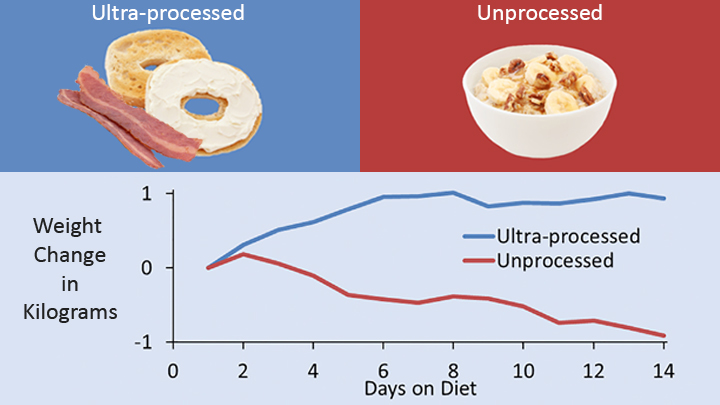
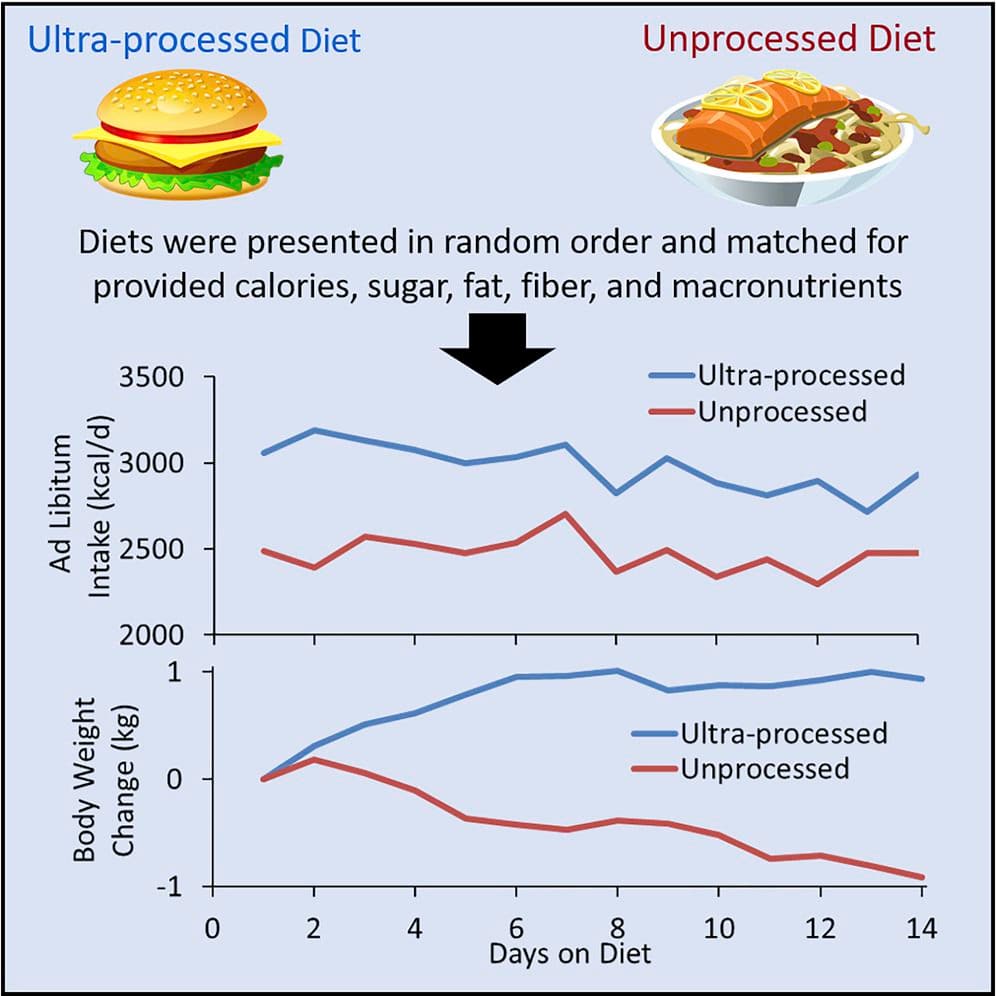
A recent study gave participants two weeks of a diet in which they were able to consume as much food as they wanted. In the processed diet, they gained weight. In the unprocessed diet (in which they were allowed unlimited food), they lost weight. And the meals weren’t bland, they looked pretty good.
Some experts will look at the results and still obsess about the idea that it’s all about calories. Have caution while listening to calorie obsessed experts because they are not nutritional therapists and lack the understanding of nutrients in disease prevention.
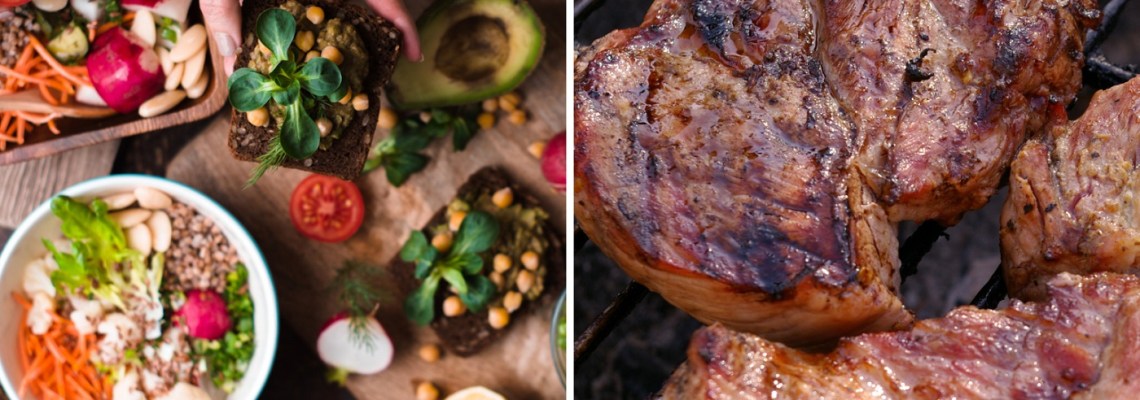
Most food is ultra-processed and designed to be highly palatable while simultaneously stimulating more appetite rather than satiety. Unprocessed diets are the way to go, but they are more difficult and time consuming.
It’s very clear in my own personal experiences that just eating SOME processed food leads to eating MORE processed food. It’s very difficult for me to control the amount of food that enters my body once I get started eating. That’s why I prefer to consume unprocessed food because I get the sense that I can eat large, satiating quantities and still be fairly healthy.
Metabolic health is not simply a function of weight, but rather biochemistry, psychology, and more.
For this reason, I almost never weigh myself because I believe my own weight is mostly irrelevant to my health.
4. Upgrade the Fat that you Eat.
Dietary fat is necessary for normal healthy function of all human cells. Choosing your sources of fat should be extremely relevant due to the fact that the specific dietary fat physically incorporates into your cells. Thus, the quality of your fat sources are directly related to biological potential in the ability for cells to mobilize, communicate, enact enzymatic processes with multiple substrates, and so much more involved in every day human function!
Avoiding unhealthy fats is almost impossible in this modern nutritional climate that we live in. This is because most processed food contains refined seed oils and even your favorite restaurants — front fast casual to fine dining — use highly inflammatory ultra-processed, damaging seed oils like soybean oil (fine dining) and rice bran oil (Chipotle).
The Western-type diet is generally proatherogenic (causes plaques in arteries) characterized with energy dense, refined, ready-prepared foods with a high glycemic index and unhealthy lipids poor in ω-3 fatty acids, phytochemicals, and fiber.
Another difficulty in reducing unhealthy fats is that it’s near impossible for the average consumer to understand the difference between fat that comes from grass fed organic beef and the fat that comes from feedlot slaughterhouses.
When a cow consumes refined feed containing soy, corn, and grain, they themselves become metabolically obese. Yes, corn fed beef tastes good, but it’s more likely to increase systemic inflammation rather than 100% grass fed beef.
Most of us consume highly refined oils regularly without even knowing it. It’s all about it being cheap and edible.
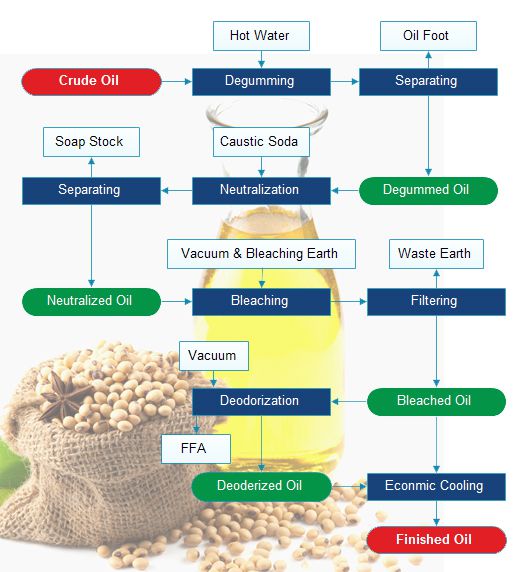
Look at the sheer amount of processing required for degumming, soaping, neutralizing, bleaching, and deoderizing that has to happen in order for people to even consider this product edible.
If it didn’t go through every single one of these refinement processes, nobody would touch it due to the disgusting smell, texture or appearance.
SEED OIL: This is an example of a highly processed food that is possibly correlated with obesity, diabetes, and metabolic disease.
This soybean factory will provide the oil to fry your next fancy tempura.
People on StopEatingSeedOils subreddit consistently report the easing of their diseases and even the remission of common inflammatory conditions like acne.
Being mindful about the types of fats that you consume is absolutely one of the most essential ways to manage your inflammation.
And when you manage inflammation, you manage disease.
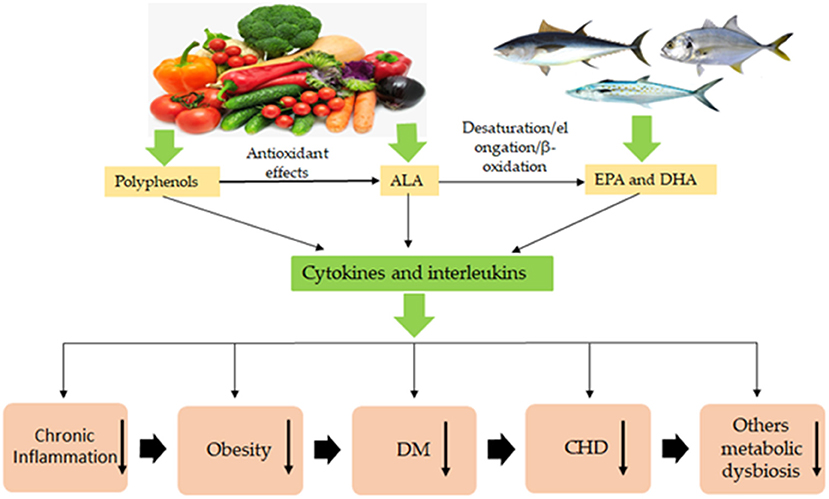
There is evidence to suggest that antioxidants, along with omega-3 consumption can reduce chronic inflammation, obesity, and other metabolic diseases.
Both omega-6 and omega-3 fatty acids influence gene expression. Omega-3 fatty acids have strong antiinflammatory effects whereas ω-6 fatty acids are proinflammatory. A high ω-6/ω-3 ratio of the diets and tissues have been reported as a risk factor of coronary artery disease (CAD), hypertension, atherosclerosis, stroke, type 2 diabetes mellitus, cancer, and other chronic diseases.
Increased dietary intake of ω-6 fatty acid significantly enhances the apparent atherogenic effect of genotype, whereas increased dietary intake of omega-3 fatty acids EPA and DHA blunts this effect. Dietary omega-6 fatty acids promote,whereas marine omega-3 fatty acids EPA and DHA inhibit leukotrienes-, thromboxanes-, prostaglandins-mediated tissue inflammation thereby leading to the pathogenesis of NCDs. (Non-communicable disease)
So even when a person thinks they are doing great by counting calories or hitting their macros, I urge you to be mindful about the implications of fatty acid balance.
The importance of consuming high quality, balanced fats cannot be understated.
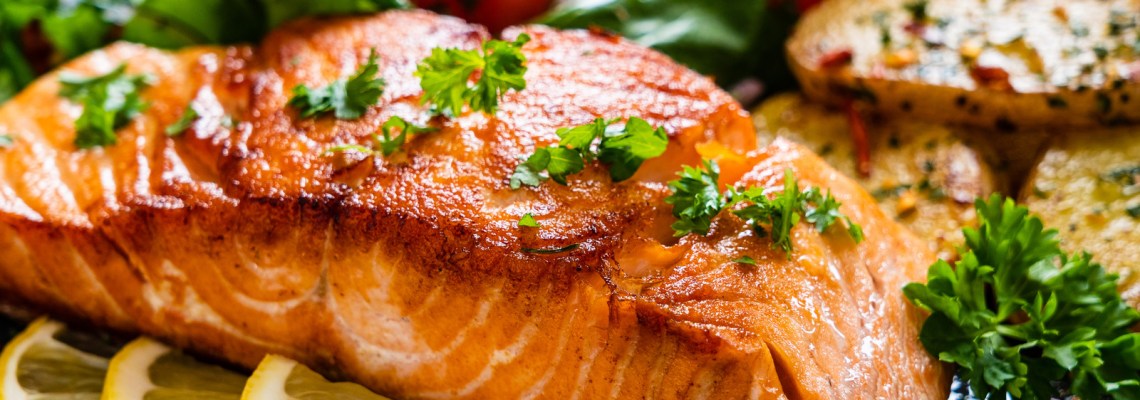
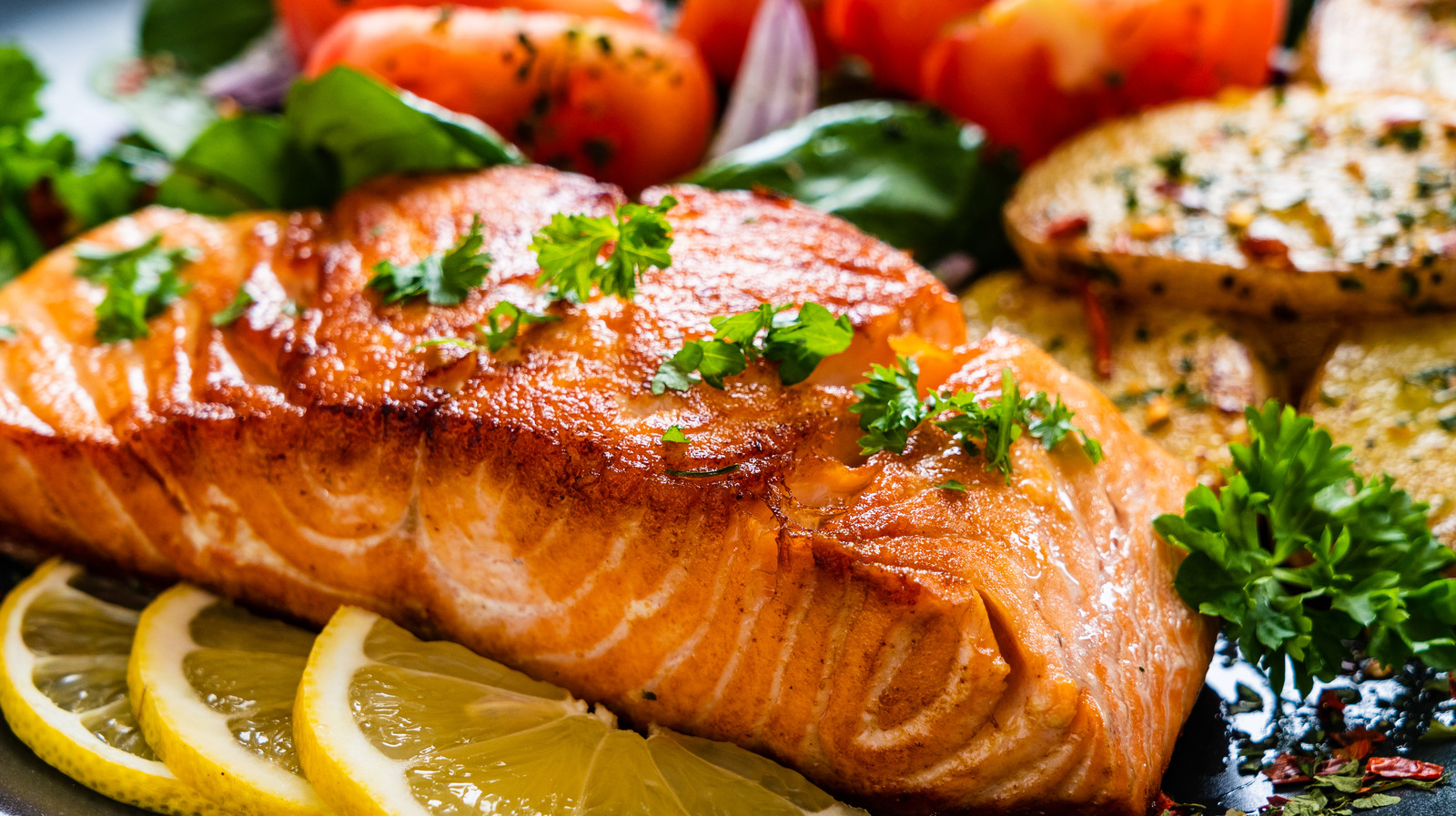
Wild Alaskan Salmon is arguably the best source of fat and nutrients on the planet. Other great sources include pasture raised eggs, ghee, and more.
TAKE HOME POINT: Fat is extremely good, healthy, and important for us. Or it can be the driver of disease and inflammation.
Choose wisely.
In the upcoming series, I’ll write a post about my favorite sources of fat and how to avoid common hidden fats that may be detrimental.
5. Use movement as part of a daily practice.
Access your body and utilize your mobility, opportunity, and possibility. If you can still lift your hand, that is more than a lot of people. Do any intentional movement that brings you the slightest amount of joy and health.
Movement gives us opportunity to overcome obstacles. By moving our bodies in ways that challenge us to overcome, we can build powerful mental strength and resilience as well. Even if the size of our body has not changed, healthy movement can benefit our beliefs, values, and that all of that which is intrinsic to us.
Working out really shouldn’t be about weight loss anyway. It should be about a healthier you.
I notice that for me, when I practice the type of movement that I enjoy, it also encourages me to be more mindful of my nutritional choices as I know healthy nourishment will only support it.
As an movement minded individual, I view nutrition as essential in the recovery process so that I can perform and hopefully one day achieve my destiny and purpose in life.
6. FIBER. Consume fiber from a variety of fresh, frozen, and fermented plant foods.
Don’t overdo it, but definitely don’t underdo it.
This could be an eating strategy in it’s own right. It would be called, “Focus on the Fiber,” and the person’s goal would be to consume 30-50 grams/daily of plant fiber from at least five different sources. More variety the better for immune health due to increase of beneficial endogenous probiotics and the work they do for us.
Prospective cohort studies showed that insoluble fibers in diet is more protective against some metabolic diseases. A reasonable association with insoluble dietary fiber on the basis of the background of the gut microbiota in hosts is of great importance in achieving the goal of disease prevention and cure.
It’s much easier to do once you eliminate hyperpalatable food completely, because you build a much better appetite for the plants.
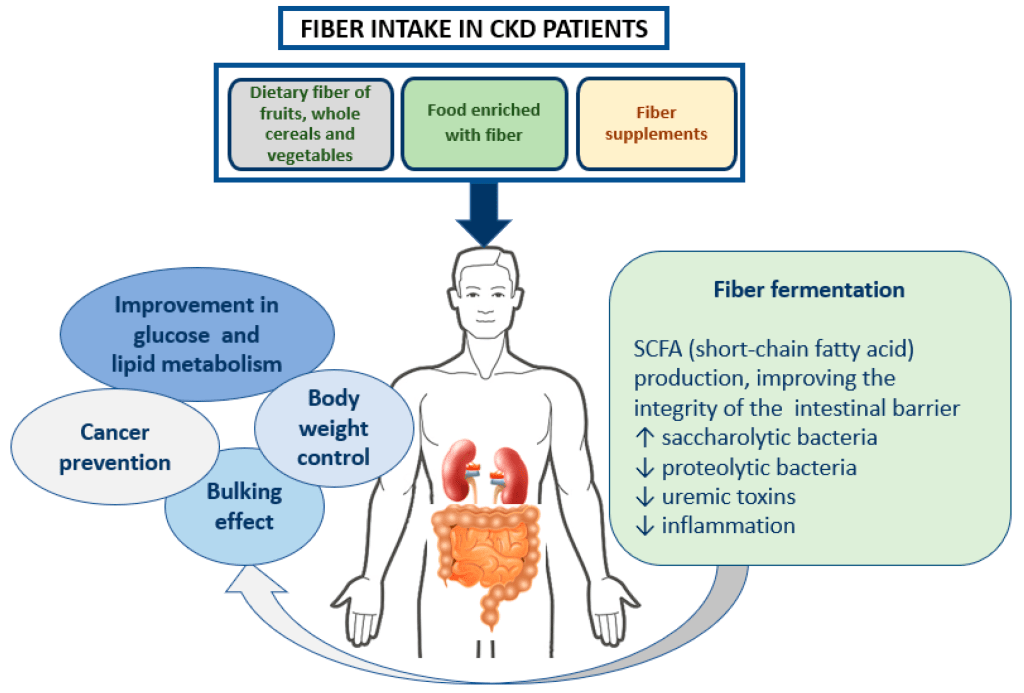
The benefits of fiber have evidence:
A higher consumption of fibers seems to be associated with lower concentrations of serum inflammatory biomarkers. Inflammation is associated with a higher risk of mortality, cancer, and cardiovascular disease.
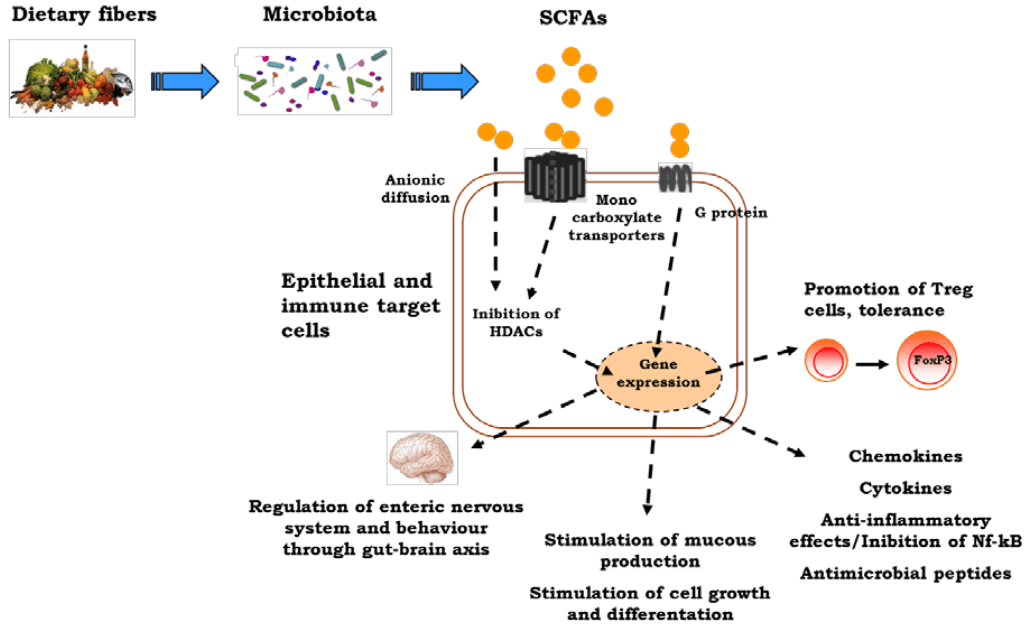
Dietary fibers are known to alter intestinal microbiota composition and function, which play pivotal roles in modulating the immune system and might affect CVD and cancer risk.
The consumption of fibers (particularly from vegetables) is associated with higher intakes of vitamins, minerals, and antioxidants.
Dietary fiber may inhibit cholesterol synthesis and consequently reduce serum cholesterol concentrations by increasing the production of short-chain fatty acids and the rate of bile excretion, promote weight loss by regulating energy intake, and slow glucose absorption and thus improve insulin sensitivity.
We found suggestive evidence that higher dietary intakes are associated with a lower risk of several cancers (i.e., pancreatic, gastric, esophageal adenocarcinoma, colon, endometrial, breast, and renal), stroke, and type 2 diabetes.
7. Offer compassion to another person or yourself.
Since I have worked with the public for my entire career, I have come to realize that people maintain complex feelings and concerns related to health. A lot of people would just rather ignore the symptoms that their body is giving them until it becomes too serious to ignore. Others are proactive, especially if they dearly value their one and only body.
Many people who are interested in nutrition for the health benefits are doing so because they have experienced past trauma, inflammation, imbalance, or dysfunction. I am a personal testimony to this and I believe it is my duty to pass on nourishing traditions to the next generations.
You never completely know what another person is truly going through at a given point in time.
All people are worthy of compassion.
Compassion is a gift that allows another person to be themselves.
You don’t know everything about human metabolism and I don’t either.
If a person living in a larger body has a disease, it is not your place to discuss it let alone diagnose it.
I wish I could go back in time and right my mistakes.
But I can’t.
So I’m writing to share with the world,
If there is just one conclusion that you take from this article is that we are experiencing a collective health crisis that has VERY LITTLE TO DO WITH INDIVIDUAL WILLPOWER.
Please understand that obesity is systemically caused by the modern food environment and that there are many forces and feedback loops that keep people trapped in processed food addiction.
I struggle often and I am a knowledgeable professional.
You are empowered to make the choices with your own wallet. Whether or not you like it, you are voting for disease, obesity, and cancer every time you support the processed food industry.
That’s why educated people must lead by example and continue to educate others with compassion.
Let’s encourage nourishment for ourselves and for the sake of others.
You don’t owe your health to anybody, but if you truly need your physical health, I can help you.
Stay tuned for more.
I hope I can stay consistent in my messaging to the world.
Genes and gene expression provide the key that unlocks health, longevity, and fitness in all humans.
Even though we cannot control the diet of our parents and the factors leading up to conception, birth, and formal years, if you are reading this blog then you have the potential to upgrade genetic expression today.
“It seems clear that the composition and quantity of our diets can be key in influencing the symptoms of chronic disease. It is important to distinguish between diet quality and quantity, both clearly have very specific effects.”
“The key to controlling our personal genetic susceptibility to disease. In choosing what we eat, we choose whether we will provide our genes the weapons that cause disease.”
Berit Johansen, professor of biology at NTNU
Or the ammunition to fight disease and the resources to expand consciousness, perhaps.
There are genes that regulate normal biological processes and then there are genes that regulate optimal or evolving biological processes.
Do you want to know how to lose weight with a vegetarian or plant-based diet?
When it comes to nutrition, some people are skeptics. However, a person like you might be ready and hopeful for change. Either way, there are endless opportunities and influences about food due to the fact that the human gut has evolved to be incredibly adaptive.
Individuals have their own unique nutritional needs. That’s why it’s easy for me to believe that people can get health benefits on either a meat-free or a meat-inclusive diet due to differences in their unique bio-individuality.
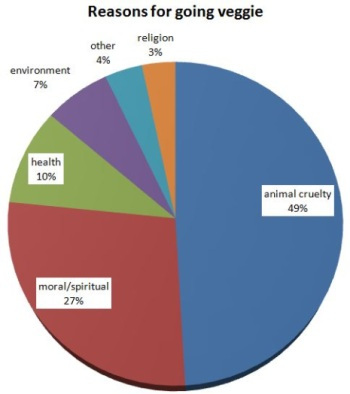
Only 1 in 10 vegetarian/vegans say they did it for health reasons in this poll.
Does this study show that vegetarianism is the cure for obesity?
Not necessary, but now there is evidence to support the general claim that non-meat eaters are thinner than their meat eating counterparts. This research article suggests that people who eat less meat have less mass than people who eat more meat.
Avoid, restrict, replace, delay… whatever you gotta do. It’s not worth it.
If you enjoy animal products though, make sure to read the info below.
Eggs and fermented milk products may be okay, grass-fed beef, or wild.
A COUPLE QUICK TIPS:
Eggs. Go for Omega-3 eggs or Pasture Raised(Whole Foods egg product link). Best to spend the extra money to help decrease inflammation in your body. The omega-3 fatty acids are key and also come from vegan sources.
Dairy. Definitely be fermented and without added sugars. Comes from healthy cows, goats, or sheep that lived on pasture.
Meat. Whether it be beef, elk, or lamb, it is most valuable to be grass fed. They need grass, just like the grass needs soil. Corn and wheat based feed is bad because the animals get fatty livers and the markers of inflammation are in the meat people eat. You can use a supplement instead.
Vegetarianism can teach a person new ways to live.
For example, learn about the history of a vegetable and share it with your family at the dinner table.
Decide to try a new vegetable because it was one that you hadn’t seen before.
Involve yourself in the fermentation process and bring new life to your organic produce.
Enjoy diverse, fresh, and properly prepared food.
Diversity is key for the health of the microbiome.
Freshness usually involves more enzymes that can catalyze anti-aging processes.
Properly preparedness might involve cooking with high quality avocado oil or coconut oil instead of low quality vegetable oil.
What do you think about vegetarianism for your health goals? Leave a comment to let me hear from you.
Sources:
Max Planck Institute for Human Cognitive and Brain Sciences. “Vegetarians tend to be slimmer and less extroverted than meat eaters, study finds.” ScienceDaily. ScienceDaily, 15 June 2020. <www.sciencedaily.com/releases/2020/06/200615115748.htm>
Evelyn Medawar, Cornelia Enzenbach, Susanne Roehr, Arno Villringer, Steffi G. Riedel-Heller, A. Veronica Witte. Less Animal-Based Food, Better Weight Status: Associations of the Restriction of Animal-Based Product Intake with Body-Mass-Index, Depressive Symptoms and Personality in the General Population. Nutrients, 2020; 12 (5): 1492 DOI: 10.3390/nu12051492
Fuhrman J. The Hidden Dangers of Fast and Processed Food. Am J Lifestyle Med. 2018;12(5):375-381. Published 2018 Apr 3. doi:10.1177/1559827618766483
Cao C, Xiao Z, Wu Y, Ge C. Diet and Skin Aging-From the Perspective of Food Nutrition. Nutrients. 2020;12(3):870. Published 2020 Mar 24. doi:10.3390/nu12030870
Kefir is something that I am very passionate about because of potential health and longevity benefits for you and many people.
Welcome to this modern Kefir guide!
Kefir has been known as a powerful health promoting agent for hundreds of years. It was allegedly hoarded by people who lived in the mountains and often enjoyed health and longevity beyond a hundred years old. Meanwhile, their neighbors who lived in the valley without knowledge of kefir died much earlier.
Sometime in the 1700-1800s, people from Russia became very desiring of this Kefir and the story goes that a royal young lady was held kidnapped over it. She had to marry the ruler so that he would finally release the kefir grains to her people. As far as we know, all of the Kefir available today has roots in those Russian kefir expeditions.
ORIGIN OF KEFIR: Kefir likely came from somewhere around the northern border of Goergia, near Russia. Once the stories of amazing health and longevity reached the cities of Russia, the Russians had to go get some for their own, but it was not without conflict.
How do you pronounce kefir? I prefer to say it like, “kee-fur,” but some people have said, “keh-fir.” For now, I’ll stick with the former in part because I think more Americans know it like that.
By the way, I’m pretty sure the princess escaped back home with the kefir.
Supermarket Kefir vs. Homemade Raw Kefir
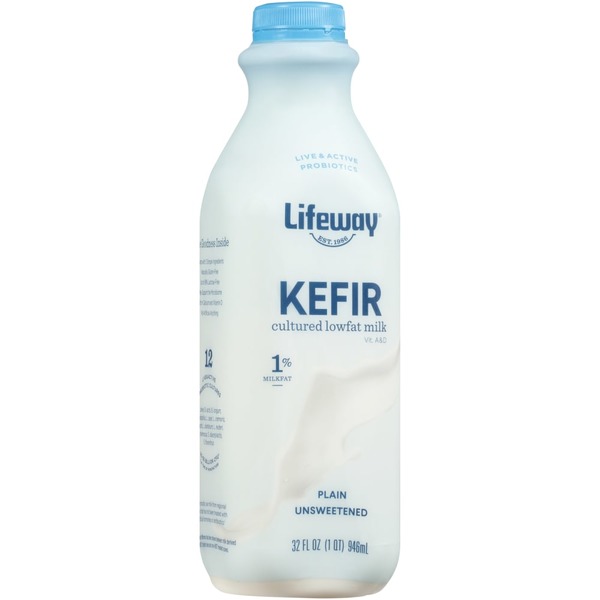
While commerical kefir may be healthier than most other items that you could buy at a supermarket, it certainly doesn’t pack the same health punch as traditional kefir from real kefir grains. Don’t get me wrong, kefir in stores like Whole Foods, QFC, Fred Meyer, Kroger, and other markets that I have seen around the country can be part of a healthy lifestyle. But there are downsides of kefir that you buy in stores.
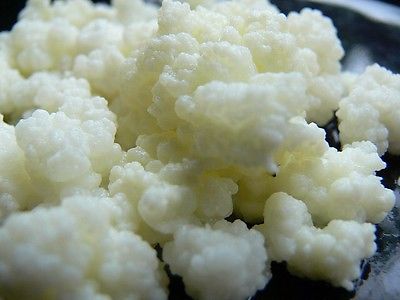
Mass produced kefir is created with powder kefir culture starters as opposed to kefir grains and that is kind of a big deal. Since commercial kefir is grown with powder starters, it doesn’t contain the symbiotic yeasts and other naturally occurring living components of kefir.
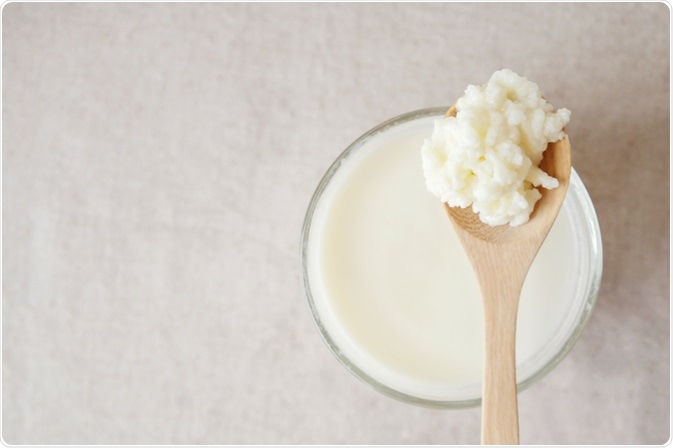
Kefir is easy to make. You just put these Kefir “grains” in some milk (preferably raw milk), let it sit for 24 hours at room temperature. Then you strain the grains and drink the fresh product.
Even though I strongly believe in real kefir from real kefir grains, I do support commerical kefir being in the grocery ecosystem. At the very least, having brands like Lifeway Kefir can bring awareness to people who want to make their own kefir at home.
I still buy Kefir from the grocery stores and co-ops sometimes.
This post contains some affiliate links to help you learn about products that I like. My favorite brand of Kefir is called, “Grace Harbor Farms,” and they sell a very high quality cow or goat kefir made from real kefir grains. I can taste and feel the difference.
Other downsides of store-bought Kefir
You have to be careful about the other brands because they might add regular milk after the fermentation process or they will label an item as being, “pomegranate flavored,” while containing no actual pomegranate.
If you must, buy unsweetened.
Drinking something that contains added sugars is almost never a good thing or there are far better natural alternatives that could nourish the system as well.
Probably very healthy, even though mass produced commercially from powdered starters.
Unsweetened dairy is the key if you are going to succeed in the dairy route. Sugary dairy can cause a metabolic disaster. If you are going to sweeten your dairy, perhaps go with honey, berries, or other natural ways.
Fermenting your own Kefir grains at-home can be easy, require little effort, and be cost effective.
Kefir is a great way to consume high quality protein, fats, carbs, minerals, enzymes, probiotics, antioxidants, and other beneficial living organisms.
Basically, Kefir has a ton of benefits for a person who wants to improve digestion and eliminate regularly.
If you are a person who has generally tolerated milk in the past, then going on kefir will be easier. However, if you are a person who has not tolerated milk, then going on kefir may need to be a more gradual process.
I have heard of people drinking kefir and then finally being able to enjoy ice cream and dairy again. They claimed, “Kefir healed and cured my lactose intolerance.” It wouldn’t surprise me.
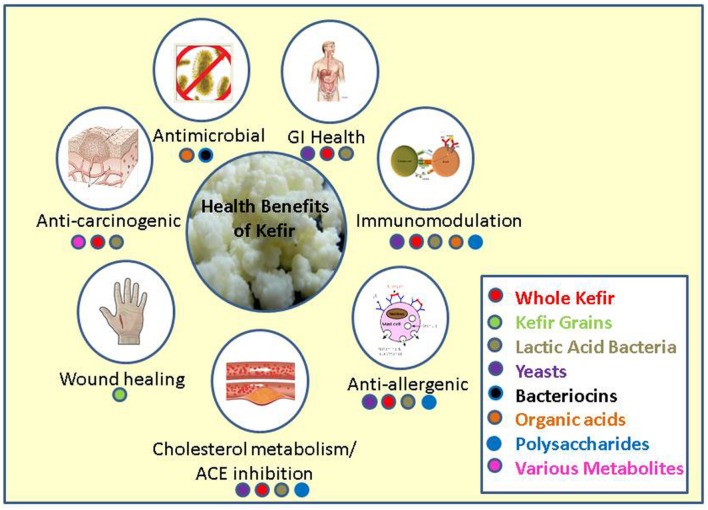
Before we go any further, I want to make a quick list of some benefits of Kefir and then we’ll continue the guide.
“Kefir grains are capable of reducing the cholesterol levels of milk through the fermentation process and have been shown to reduce the levels of cholesterol present by between 41 and 84% after 24 h fermentation and a further 48 h of storage.”
Effects on the Host Gut and Gut Microbiome
“Inhibits the adherence of Salmonella typhimurium and Escherichia coli.”
Kefir promotes changes in gene expression shown to be extremely important for the modulation of the host inflammatory response.
Antitumor Effects
Kefir is able to modulate the immune system in the gut. The immunomodulatory abilities of kefir go far beyond the gastrointestinal tract, likely throughout the entire body.
Immunomodulatory Effects
“The result was a shift from a Th1 immune response to a Th2 response as well as increases in the levels of IgA present.”
Immunoglobulin A (IgA) is the most abundant type of antibody in the body. It secretes immunogloblulins while promoting circulation of immunoglobulins. IgA has a protective effect for the mucosal tissues against microbial invasions and also supports immune homeostasis.
Anti-Allergenic Effects
Kefir supports the balance of Th1/Th2 cell ratio which is important because that is one of the mechanisms involved in food allergy.
Health Benefits of Yeast in Kefir
Some yeasts from kefir act as immunomodulators capable of decreasing the inflammatory signals.
Yeasts from kefir also act synergistically to improve the probiotic properties of bacterial species and co-aggregation makes their effects stronger.
Kefiran and the Cell Free Fraction of Kefir
Most people are unaware of Kefiran because it is undetectable in commercially produced Kefir.
Kefiran is hard to describe, but the presence of kefirans typically means that your kefir is happy and healthy. The kefiran is formed in stringy strands that hang out with the grains and are somewhat gooey.
Kefiran alone is a remarkable immune booster and is even more powerful as a synergist with kefir probiotics.
But Dre, how does that help me poop better?
It helps because of the ways in which bacteria stick to your gut and how kefir can help you grow your own healthy bacteria while kicking out bad bacteria and bad yeasts like candida.
Kefir accomplishes many goals from a nutritional perspective. Aside from the amazing, gut/body-building amino acids found in Kefir, there are so many diverse living forms that for some reason are very compatible with the human biome. Kefir makes milk a food for babies and transforms it into one of the most nourishing gifts available to humanity.
Kefir helps you poop out the bad bacteria and helps to kill and poop out the mycotoxins and yeasts.
Super Simple Kefir Guide
Don’t let the process of fermenting kefir grains intimidate you.
It is actually way easier than kombucha.
Let’s transform milk from a dud to a tonic.
1. Acquire Kefir Grains
You can acquire kefir grains from Facebook groups, various kefir websites, from Amazon.com, or from natural health stores and co-ops. E-bay also has lots of kefir.
I always recommend these Kefir grains from Amazon.com. Make sure to get the larger size as it will make the starting process way easier and theoretically you’ll never have to buy grains again since the grains grow and replicate naturally from milk fermentation.
2. Acquire Kefir Fermentation Tools
Quick tip: Avoid metal and anything metal. Kefir prefers to stay away from metal. Use plastics, glass, mesh, etc.
Your fermentation container could be a bowl or it could be a fermentation bottle.
It is a good idea to let the kefir have air supply.
3. Once kefir arrives, place it in container with milk immediately.
The kefir needs milk in order to be happy and grow all of its beneficial probiotics and yeasts for you. Preferably, give it raw goat milk as I believe it to be the highest quality in my life. Obviously, most people don’t have access to this.
Does the quality of the milk matter with kefir fermentation? Yes, of course.
The better quality and the fresher the milk, the better quality and fresher the kefir. Ideally, stick unprocessed or minimally processed milk. Whole fat, non-homogenized, grass-fed, organic, and unpasteurized are best, but I recognize there are limitations.
1 Tablespoon of kefir grains per 4-6 ounces of milk.
4. Keep kefir in room temperature, with a breathable cover for 24 hours.
The amount of time varies based on the quantity and activity of the kefir grains as well as the type of milk and the room temperature. Fresh, full fat milk tends to ferment faster in my experience. Warmer temperature accelerates the process.
5. Make sure to stir, shake, or agitate the kefir regularly.
It’s good enough to stir the kefir with a wooden spoon even just once during the 24 hour fermentation window. If you have the kefir in a container with a lid, then you can just shake it around a little bit. This is good because it gives the kefir grains access to different parts of the food and it makes sure that the top part doesn’t grow kinda funky.
The easiest way to avoid the top part growing funky is by making sure it doesn’t sit too long. If it is sitting still for 48+ hours, that is not good. You need to repeat the process daily, so at least it isn’t hard to do.
6. Once the kefir has reached optimal fermentation, strain the kefir using a non-metal straining method.
Strain the kefir into a new bowl. Now that you have separated the grains from the liquid, you officially have your kefir drink.
Your options are as follows: a) drink it now, b) put it in the refrigerator and save for later, or c) double-ferment by leaving just this grain-free liquid out in room temperature for another 24 hours.
You can get benefits from kefir doing it any of these ways. Experimentation is best.
7. Put Kefir back in your fermentation container, add new milk and repeat the process.
After a few times, you will need to add more milk because your grains will have multiplied. The benefit of having more grains is that you can ferment smaller amounts of milk much faster in case you only have 12-18 hours before you wanted your next batch.
I hope this helps your digestion and elimination along with other things that may be bothering you.
If you find this helpful, please support the blog by hitting the follow button now.
Kefir can help you, but LISTEN to your body.
Hopefully, I can be of help to you. I am working now to provide relevant gut-health content for you. I am committed to this blog, but I am also considering taking on new clients as I have recently become certified as a Functional Nutritional Therapy Practitioner.
For the meantime, leave a comment here to communicate with me.
Sources:
Bourrie BC, Willing BP, Cotter PD. The Microbiota and Health Promoting Characteristics of the Fermented Beverage Kefir. Front Microbiol. 2016;7:647. Published 2016 May 4. doi:10.3389/fmicb.2016.00647
Maki R, Matsukawa M, Matsuduka A, et al. Therapeutic effect of lyophilized, Kefir-fermented milk on constipation among persons with mental and physical disabilities. Jpn J Nurs Sci. 2018;15(3):218-225. doi:10.1111/jjns.12189
Dimidi E, Christodoulides S, Scott SM, Whelan K. Mechanisms of Action of Probiotics and the Gastrointestinal Microbiota on Gut Motility and Constipation. Adv Nutr. 2017;8(3):484-494. Published 2017 May 15. doi:10.3945/an.116.014407