You can look at nutrition through any lens you would like.
In my humble opinion, if you’re being mindful about food in any type of way, then that is a good thing.
So let’s just begin.

In my humble opinion, if you’re being mindful about food in any type of way, then that is a good thing.
So let’s just begin.

Before I begin, let me remind you that I do not believe in adhering to specific body types. Overall, my goal with this article is to reach a specific audience that is trying to get lean or values having low body fat. It is not my intention to reinforce specific body standards or shame anybody.
By, “low body fat,” I mean low relative to the rest of society. Really, anything under 22% for women and anything under 16% for men could be considered, “low,” even though it is in the healthy/athletic range.
So let’s just jump into it.
Top 10 Benefits of Having Low Body Fat:
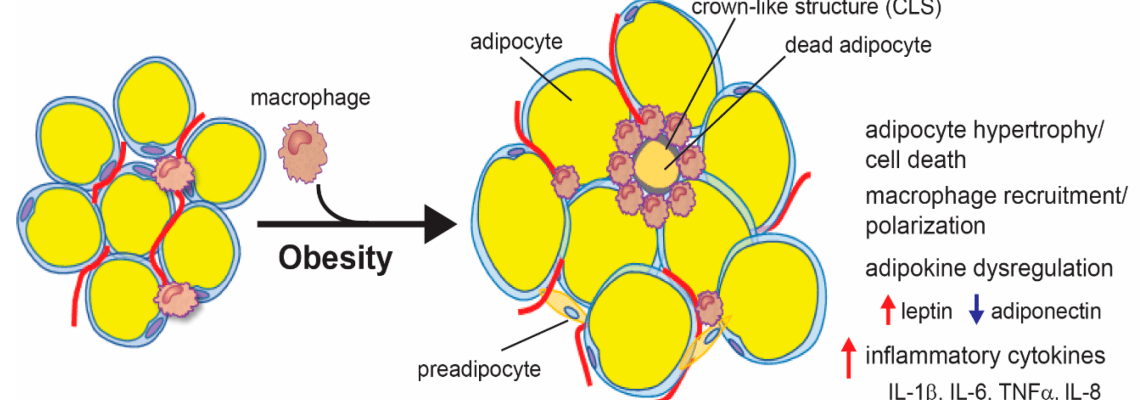
Let’s start this article by saying what obesity is NOT.
Obesity is NOT a moral failure, obesity is NOT a weakness of character, and obesity is NOT a lifestyle choice.
Stay with me here.
Obesity also is not a number on a scale.
What is obesity?
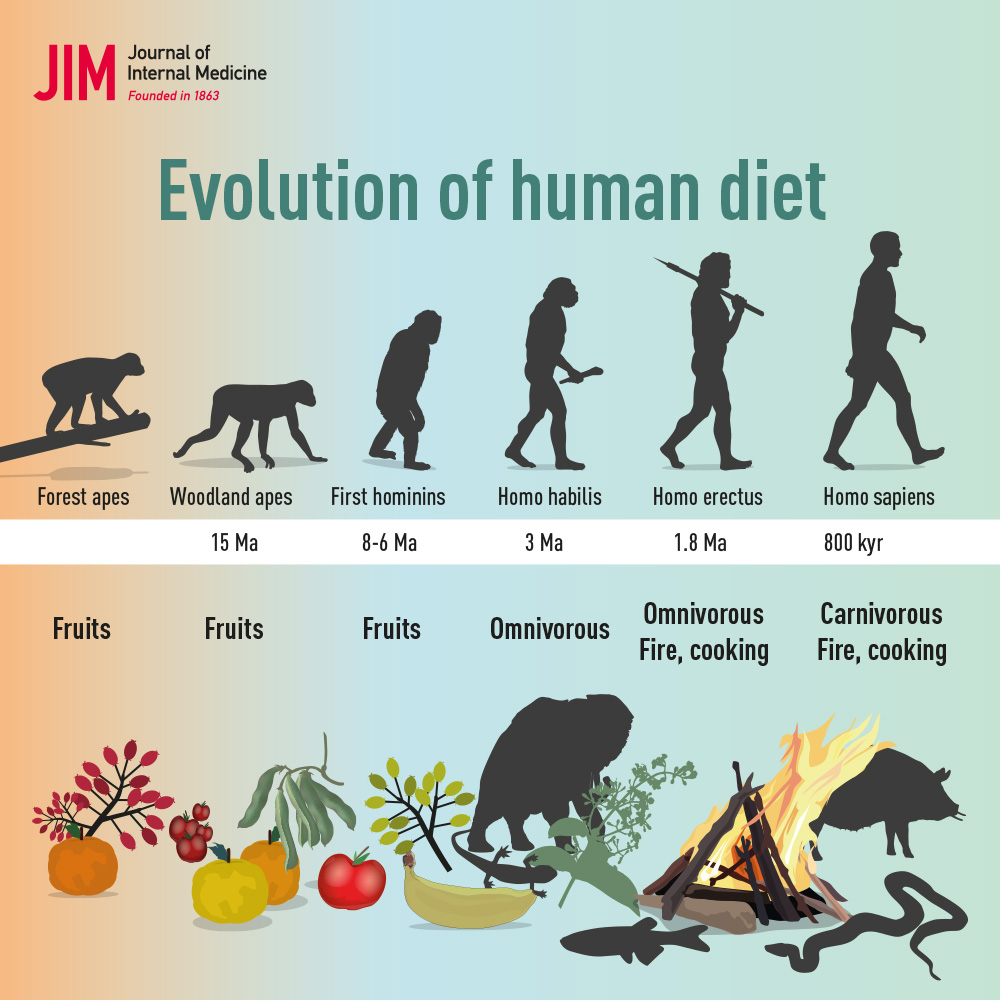
When it comes to nutrition, some people are skeptics. However, a person like you might be ready and hopeful for change. Either way, there are endless opportunities and influences about food due to the fact that the human gut has evolved to be incredibly adaptive.
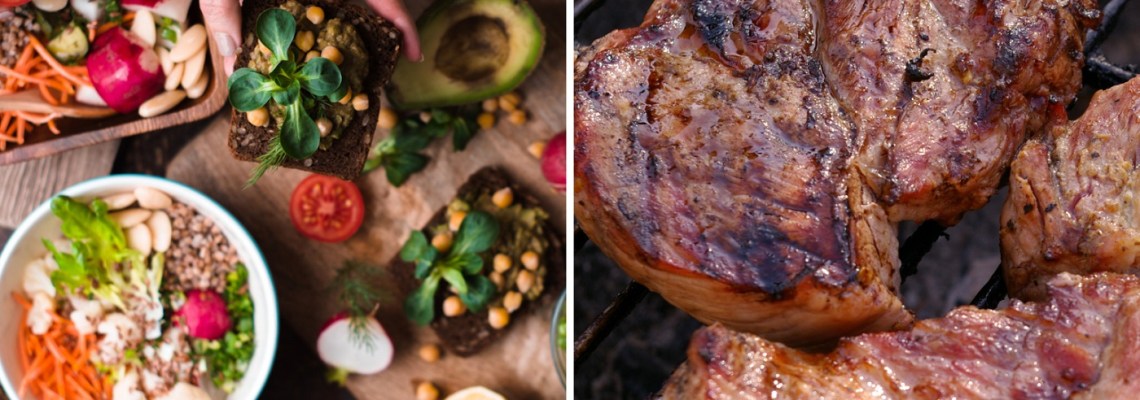
Individuals have their own unique nutritional needs. That’s why it’s easy for me to believe that people can get health benefits on either a meat-free or a meat-inclusive diet due to differences in their unique bio-individuality.
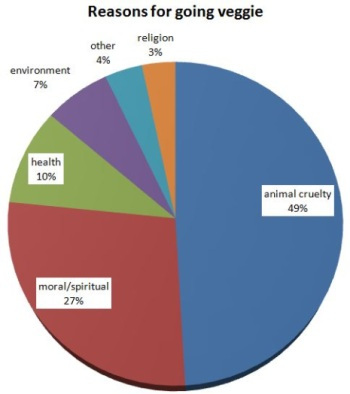
Only 1 in 10 vegetarian/vegans say they did it for health reasons in this poll.
According to a recent 2020 Special Issue in Nutrition, Lifestyle, and Mood Disorders titled, “Less Animal-Based Food, Better Weight Status: Associations of the Restriction of Animal-Based Product Intake with Body-Mass-Index, Depressive Symptoms and Personality in the General Population,” the data is indicative.
Not necessary, but now there is evidence to support the general claim that non-meat eaters are thinner than their meat eating counterparts. This research article suggests that people who eat less meat have less mass than people who eat more meat.
Can you lose weight on a vegetarian diet then? Is it even realistic? Here’s three quick ideas to help.
POSSIBLE NUTRITIONAL INTERVENTIONS:
Cold cuts do not make the cut when it comes to your divine self. Processed meats accelerate aging.
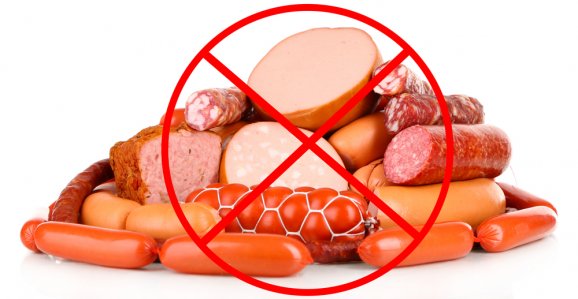
Avoid, restrict, replace, delay… whatever you gotta do. It’s not worth it.
If you enjoy animal products though, make sure to read the info below.
A COUPLE QUICK TIPS:
Eggs. Go for Omega-3 eggs or Pasture Raised(Whole Foods egg product link). Best to spend the extra money to help decrease inflammation in your body. The omega-3 fatty acids are key and also come from vegan sources.
Dairy. Definitely be fermented and without added sugars. Comes from healthy cows, goats, or sheep that lived on pasture.
Meat. Whether it be beef, elk, or lamb, it is most valuable to be grass fed. They need grass, just like the grass needs soil. Corn and wheat based feed is bad because the animals get fatty livers and the markers of inflammation are in the meat people eat. You can use a supplement instead.
For example, learn about the history of a vegetable and share it with your family at the dinner table.
Decide to try a new vegetable because it was one that you hadn’t seen before.
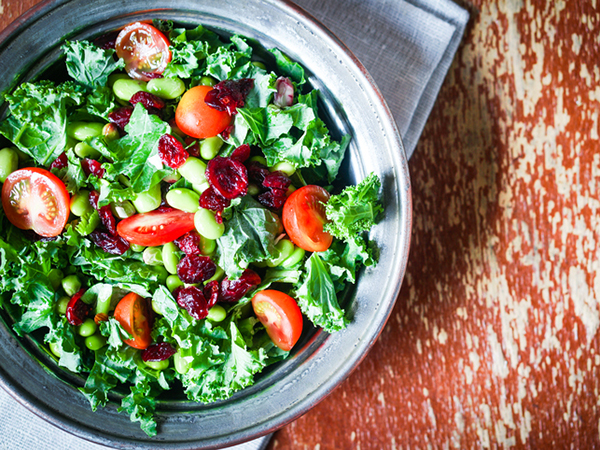
Involve yourself in the fermentation process and bring new life to your organic produce.
Diversity is key for the health of the microbiome.
Freshness usually involves more enzymes that can catalyze anti-aging processes.
Properly preparedness might involve cooking with high quality avocado oil or coconut oil instead of low quality vegetable oil.
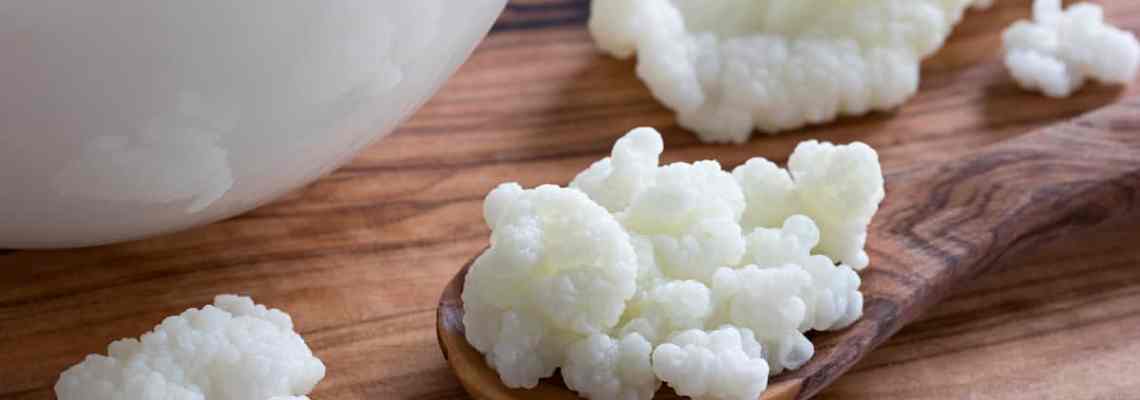
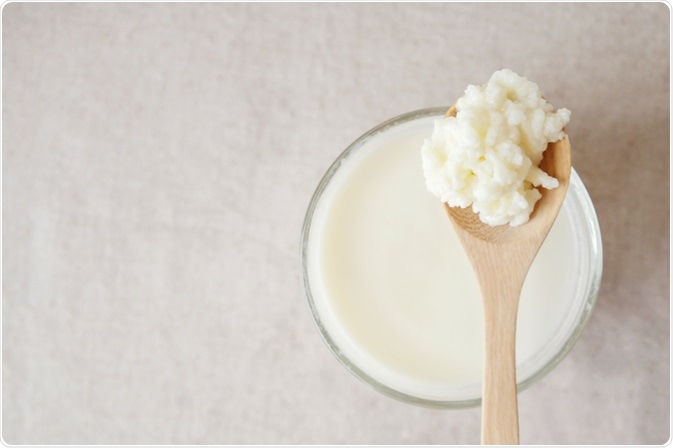
Welcome to this modern Kefir guide!
Kefir has been known as a powerful health promoting agent for hundreds of years. It was allegedly hoarded by people who lived in the mountains and often enjoyed health and longevity beyond a hundred years old. Meanwhile, their neighbors who lived in the valley without knowledge of kefir died much earlier.
Sometime in the 1700-1800s, people from Russia became very desiring of this Kefir and the story goes that a royal young lady was held kidnapped over it. She had to marry the ruler so that he would finally release the kefir grains to her people. As far as we know, all of the Kefir available today has roots in those Russian kefir expeditions.

ORIGIN OF KEFIR: Kefir likely came from somewhere around the northern border of Goergia, near Russia. Once the stories of amazing health and longevity reached the cities of Russia, the Russians had to go get some for their own, but it was not without conflict.
How do you pronounce kefir? I prefer to say it like, “kee-fur,” but some people have said, “keh-fir.” For now, I’ll stick with the former in part because I think more Americans know it like that.
By the way, I’m pretty sure the princess escaped back home with the kefir.
While commerical kefir may be healthier than most other items that you could buy at a supermarket, it certainly doesn’t pack the same health punch as traditional kefir from real kefir grains. Don’t get me wrong, kefir in stores like Whole Foods, QFC, Fred Meyer, Kroger, and other markets that I have seen around the country can be part of a healthy lifestyle. But there are downsides of kefir that you buy in stores.
Mass produced kefir is created with powder kefir culture starters as opposed to kefir grains and that is kind of a big deal. Since commercial kefir is grown with powder starters, it doesn’t contain the symbiotic yeasts and other naturally occurring living components of kefir.
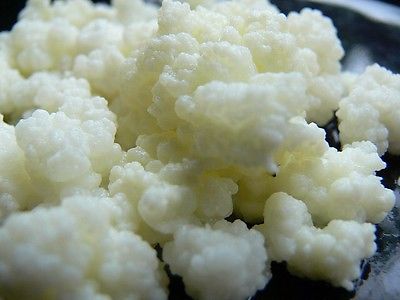
Kefir is easy to make. You just put these Kefir “grains” in some milk (preferably raw milk), let it sit for 24 hours at room temperature. Then you strain the grains and drink the fresh product.
Even though I strongly believe in real kefir from real kefir grains, I do support commerical kefir being in the grocery ecosystem. At the very least, having brands like Lifeway Kefir can bring awareness to people who want to make their own kefir at home.
This post contains some affiliate links to help you learn about products that I like. My favorite brand of Kefir is called, “Grace Harbor Farms,” and they sell a very high quality cow or goat kefir made from real kefir grains. I can taste and feel the difference.
You have to be careful about the other brands because they might add regular milk after the fermentation process or they will label an item as being, “pomegranate flavored,” while containing no actual pomegranate.
Drinking something that contains added sugars is almost never a good thing or there are far better natural alternatives that could nourish the system as well.
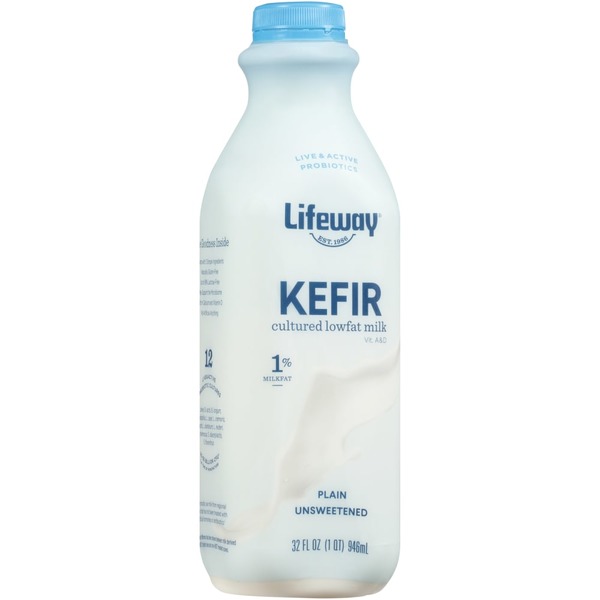
Probably very healthy, even though mass produced commercially from powdered starters.
Unsweetened dairy is the key if you are going to succeed in the dairy route. Sugary dairy can cause a metabolic disaster. If you are going to sweeten your dairy, perhaps go with honey, berries, or other natural ways.
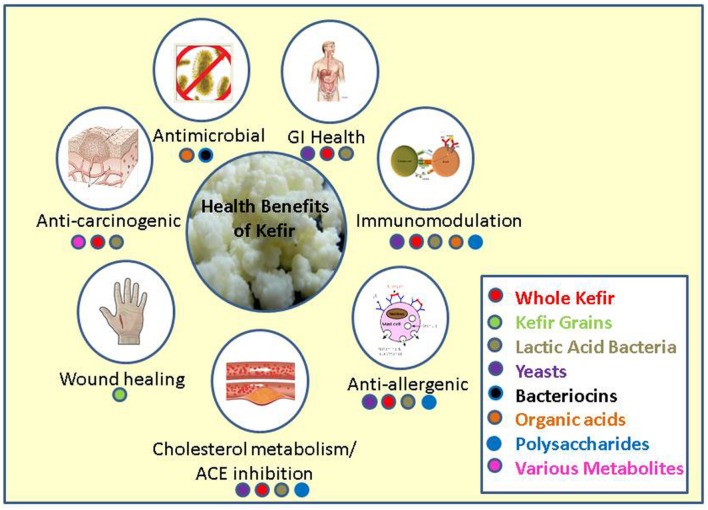
Kefir is a great way to consume high quality protein, fats, carbs, minerals, enzymes, probiotics, antioxidants, and other beneficial living organisms.
Basically, Kefir has a ton of benefits for a person who wants to improve digestion and eliminate regularly.
If you are a person who has generally tolerated milk in the past, then going on kefir will be easier. However, if you are a person who has not tolerated milk, then going on kefir may need to be a more gradual process.
I have heard of people drinking kefir and then finally being able to enjoy ice cream and dairy again. They claimed, “Kefir healed and cured my lactose intolerance.” It wouldn’t surprise me.
Before we go any further, I want to make a quick list of some benefits of Kefir and then we’ll continue the guide.
It helps because of the ways in which bacteria stick to your gut and how kefir can help you grow your own healthy bacteria while kicking out bad bacteria and bad yeasts like candida.
Kefir accomplishes many goals from a nutritional perspective. Aside from the amazing, gut/body-building amino acids found in Kefir, there are so many diverse living forms that for some reason are very compatible with the human biome. Kefir makes milk a food for babies and transforms it into one of the most nourishing gifts available to humanity.
Kefir helps you poop out the bad bacteria and helps to kill and poop out the mycotoxins and yeasts.
Don’t let the process of fermenting kefir grains intimidate you.
It is actually way easier than kombucha.
Let’s transform milk from a dud to a tonic.
You can acquire kefir grains from Facebook groups, various kefir websites, from Amazon.com, or from natural health stores and co-ops. E-bay also has lots of kefir.
I always recommend these Kefir grains from Amazon.com. Make sure to get the larger size as it will make the starting process way easier and theoretically you’ll never have to buy grains again since the grains grow and replicate naturally from milk fermentation.
Quick tip: Avoid metal and anything metal. Kefir prefers to stay away from metal. Use plastics, glass, mesh, etc.
Your fermentation container could be a bowl or it could be a fermentation bottle.
It is a good idea to let the kefir have air supply.
The kefir needs milk in order to be happy and grow all of its beneficial probiotics and yeasts for you. Preferably, give it raw goat milk as I believe it to be the highest quality in my life. Obviously, most people don’t have access to this.
Does the quality of the milk matter with kefir fermentation? Yes, of course.
The better quality and the fresher the milk, the better quality and fresher the kefir. Ideally, stick unprocessed or minimally processed milk. Whole fat, non-homogenized, grass-fed, organic, and unpasteurized are best, but I recognize there are limitations.
1 Tablespoon of kefir grains per 4-6 ounces of milk.
The amount of time varies based on the quantity and activity of the kefir grains as well as the type of milk and the room temperature. Fresh, full fat milk tends to ferment faster in my experience. Warmer temperature accelerates the process.
It’s good enough to stir the kefir with a wooden spoon even just once during the 24 hour fermentation window. If you have the kefir in a container with a lid, then you can just shake it around a little bit. This is good because it gives the kefir grains access to different parts of the food and it makes sure that the top part doesn’t grow kinda funky.
The easiest way to avoid the top part growing funky is by making sure it doesn’t sit too long. If it is sitting still for 48+ hours, that is not good. You need to repeat the process daily, so at least it isn’t hard to do.
Strain the kefir into a new bowl. Now that you have separated the grains from the liquid, you officially have your kefir drink.
Your options are as follows: a) drink it now, b) put it in the refrigerator and save for later, or c) double-ferment by leaving just this grain-free liquid out in room temperature for another 24 hours.
You can get benefits from kefir doing it any of these ways. Experimentation is best.
After a few times, you will need to add more milk because your grains will have multiplied. The benefit of having more grains is that you can ferment smaller amounts of milk much faster in case you only have 12-18 hours before you wanted your next batch.
If you find this helpful, please support the blog by hitting the follow button now.
Hopefully, I can be of help to you. I am working now to provide relevant gut-health content for you. I am committed to this blog, but I am also considering taking on new clients as I have recently become certified as a Functional Nutritional Therapy Practitioner.
For the meantime, leave a comment here to communicate with me.


