Are These 3 Common Food Items Preventing your Health, Fat Loss, and Wellness?

Lately, I’ve noticed several foods that could be holding a person back from sustaining a healthy lifestyle.

I won’t say that you should absolutely never enjoy a certain food because I do believe in balance, moderation, and space to be human.

Many people who read this blog are already aware that some foods are less conducive to long term satisfaction with regard to health and body goals. The purpose of this post is to provide you with a little nudge or reminder and to maybe add a glimpse of value to your life.

Without further ado, here are some common foods, reasons why, and possible alternatives for your reading and health pleasures.

1. Cereal

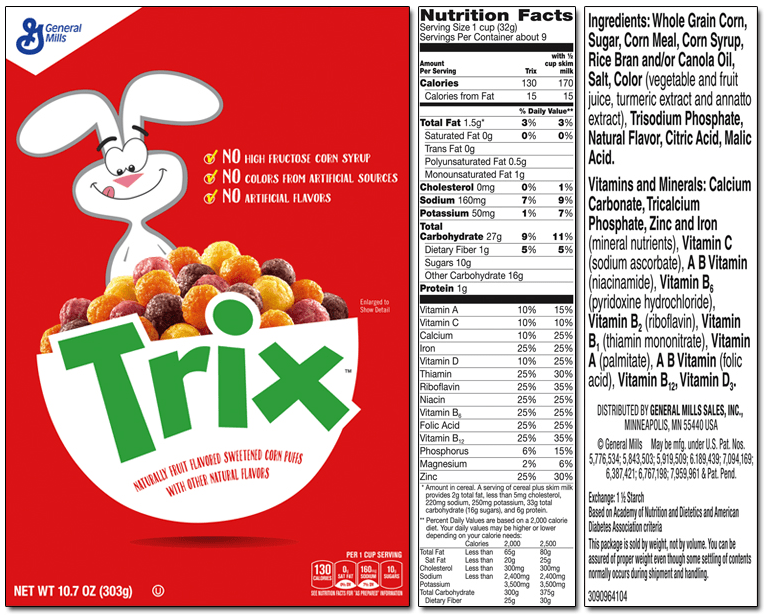
Cereal is extremely common in the American household. One market research company found that as many as 89% of consumers eat cereal for breakfast and almost half of those also eat it for a snack.

Trix R 4 Kids, am I rite?
Body Composition disease prevention Fat Loss Nutrition, Immunity, and Digestion

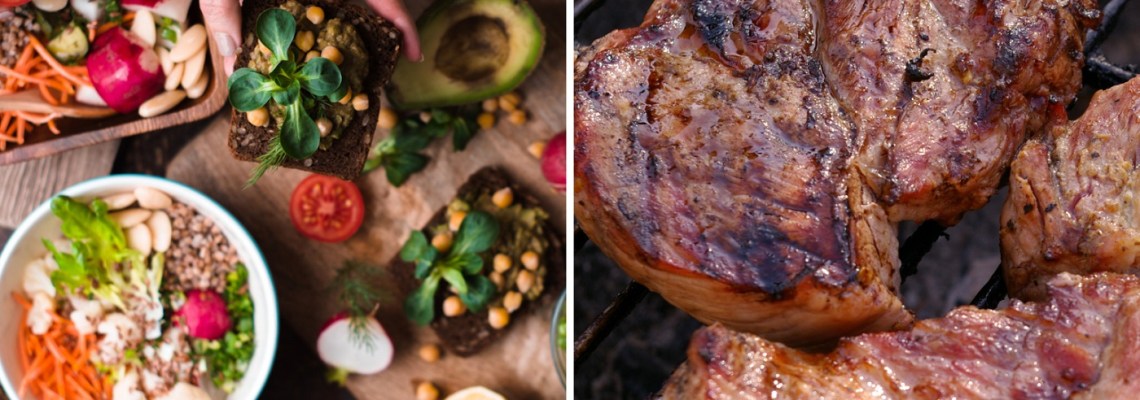
Will Vegetarianism Help Me Lose Weight, Become Slimmer, and More Extroverted??

Do you want to know how to lose weight with a vegetarian or plant-based diet?

When it comes to nutrition, some people are skeptics. However, a person like you might be ready and hopeful for change. Either way, there are endless opportunities and influences about food due to the fact that the human gut has evolved to be incredibly adaptive.

Individuals have their own unique nutritional needs. That’s why it’s easy for me to believe that people can get health benefits on either a meat-free or a meat-inclusive diet due to differences in their unique bio-individuality.

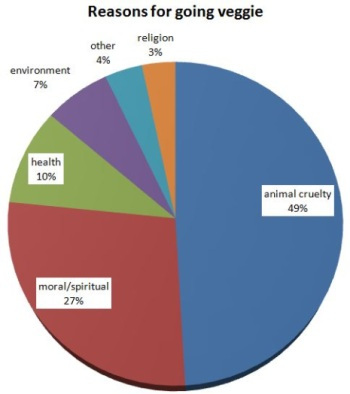
Only 1 in 10 vegetarian/vegans say they did it for health reasons in this poll.

New research promotes plant-based diet.

According to a recent 2020 Special Issue in Nutrition, Lifestyle, and Mood Disorders titled, “Less Animal-Based Food, Better Weight Status: Associations of the Restriction of Animal-Based Product Intake with Body-Mass-Index, Depressive Symptoms and Personality in the General Population,” the data is indicative.

Does this study show that vegetarianism is the cure for obesity?

Not necessary, but now there is evidence to support the general claim that non-meat eaters are thinner than their meat eating counterparts. This research article suggests that people who eat less meat have less mass than people who eat more meat.

Study shows 5% reduction of body weight by avoiding processed meat and cold cuts, and limiting dairy and cheese.

Can you lose weight on a vegetarian diet then? Is it even realistic? Here’s three quick ideas to help.

POSSIBLE NUTRITIONAL INTERVENTIONS:

  • Reduce all animal-based products from multiple times a day to multiple times a week (“flexitarian diet”)
  • Exclude some animal items altogether (“pescatarian” or “vegetarian” diet)
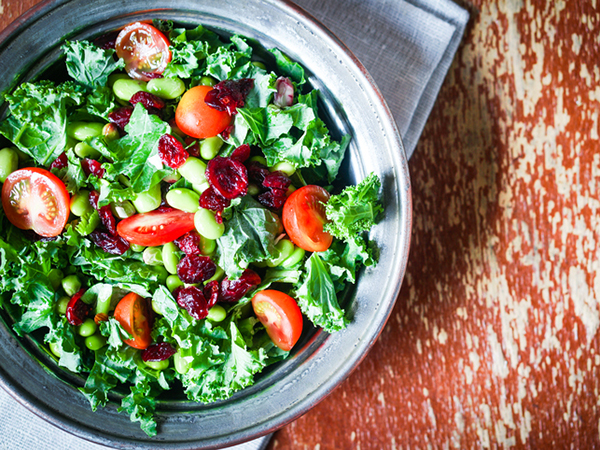
  • Consume fresh chopped salad daily and include a vegetable related to broccoli, like cabbage. (also supports gut health)

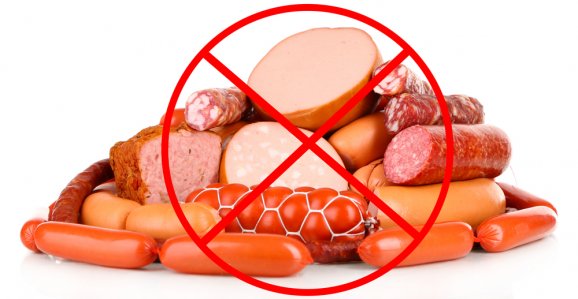
Important takeaway: AVOID PROCESSED MEAT. Also, limit milk and cheese.

Cold cuts do not make the cut when it comes to your divine self. Processed meats accelerate aging.

Avoid, restrict, replace, delay… whatever you gotta do. It’s not worth it.

If you enjoy animal products though, make sure to read the info below.

Eggs and fermented milk products may be okay, grass-fed beef, or wild.

A COUPLE QUICK TIPS:

Eggs. Go for Omega-3 eggs or Pasture Raised(Whole Foods egg product link). Best to spend the extra money to help decrease inflammation in your body. The omega-3 fatty acids are key and also come from vegan sources.

Dairy. Definitely be fermented and without added sugars. Comes from healthy cows, goats, or sheep that lived on pasture.

Meat. Whether it be beef, elk, or lamb, it is most valuable to be grass fed. They need grass, just like the grass needs soil. Corn and wheat based feed is bad because the animals get fatty livers and the markers of inflammation are in the meat people eat. You can use a supplement instead.

Vegetarianism can teach a person new ways to live.

For example, learn about the history of a vegetable and share it with your family at the dinner table.

Decide to try a new vegetable because it was one that you hadn’t seen before.

Involve yourself in the fermentation process and bring new life to your organic produce.

Enjoy diverse, fresh, and properly prepared food.

Diversity is key for the health of the microbiome.

Freshness usually involves more enzymes that can catalyze anti-aging processes.

Properly preparedness might involve cooking with high quality avocado oil or coconut oil instead of low quality vegetable oil.

What do you think about vegetarianism for your health goals? Leave a comment to let me hear from you.


Sources:
Max Planck Institute for Human Cognitive and Brain Sciences. “Vegetarians tend to be slimmer and less extroverted than meat eaters, study finds.” ScienceDaily. ScienceDaily, 15 June 2020. <www.sciencedaily.com/releases/2020/06/200615115748.htm>
Evelyn Medawar, Cornelia Enzenbach, Susanne Roehr, Arno Villringer, Steffi G. Riedel-Heller, A. Veronica Witte. Less Animal-Based Food, Better Weight Status: Associations of the Restriction of Animal-Based Product Intake with Body-Mass-Index, Depressive Symptoms and Personality in the General Population. Nutrients, 2020; 12 (5): 1492 DOI: 10.3390/nu12051492
Fuhrman J. The Hidden Dangers of Fast and Processed Food. Am J Lifestyle Med. 2018;12(5):375-381. Published 2018 Apr 3. doi:10.1177/1559827618766483
Cao C, Xiao Z, Wu Y, Ge C. Diet and Skin Aging-From the Perspective of Food Nutrition. Nutrients. 2020;12(3):870. Published 2020 Mar 24. doi:10.3390/nu12030870
Body Composition Fat Loss Nutrition, Immunity, and Digestion Weightloss Now

Will Raw Kefir Grains Help with Constipation? Evidence Based How To Guide

Kefir is something that I am very passionate about because of potential health and longevity benefits for you and many people.
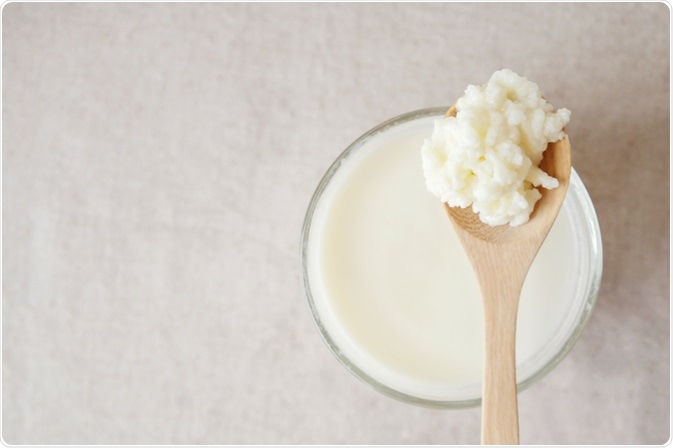
Welcome to this modern Kefir guide!

Kefir has been known as a powerful health promoting agent for hundreds of years. It was allegedly hoarded by people who lived in the mountains and often enjoyed health and longevity beyond a hundred years old. Meanwhile, their neighbors who lived in the valley without knowledge of kefir died much earlier.

Sometime in the 1700-1800s, people from Russia became very desiring of this Kefir and the story goes that a royal young lady was held kidnapped over it. She had to marry the ruler so that he would finally release the kefir grains to her people. As far as we know, all of the Kefir available today has roots in those Russian kefir expeditions.

ORIGIN OF KEFIR: Kefir likely came from somewhere around the northern border of Goergia, near Russia. Once the stories of amazing health and longevity reached the cities of Russia, the Russians had to go get some for their own, but it was not without conflict.

How do you pronounce kefir? I prefer to say it like, “kee-fur,” but some people have said, “keh-fir.” For now, I’ll stick with the former in part because I think more Americans know it like that.

By the way, I’m pretty sure the princess escaped back home with the kefir.

Supermarket Kefir vs. Homemade Raw Kefir

While commerical kefir may be healthier than most other items that you could buy at a supermarket, it certainly doesn’t pack the same health punch as traditional kefir from real kefir grains. Don’t get me wrong, kefir in stores like Whole Foods, QFC, Fred Meyer, Kroger, and other markets that I have seen around the country can be part of a healthy lifestyle. But there are downsides of kefir that you buy in stores.

Mass produced kefir is created with powder kefir culture starters as opposed to kefir grains and that is kind of a big deal. Since commercial kefir is grown with powder starters, it doesn’t contain the symbiotic yeasts and other naturally occurring living components of kefir.
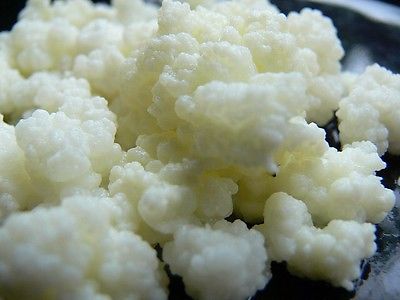
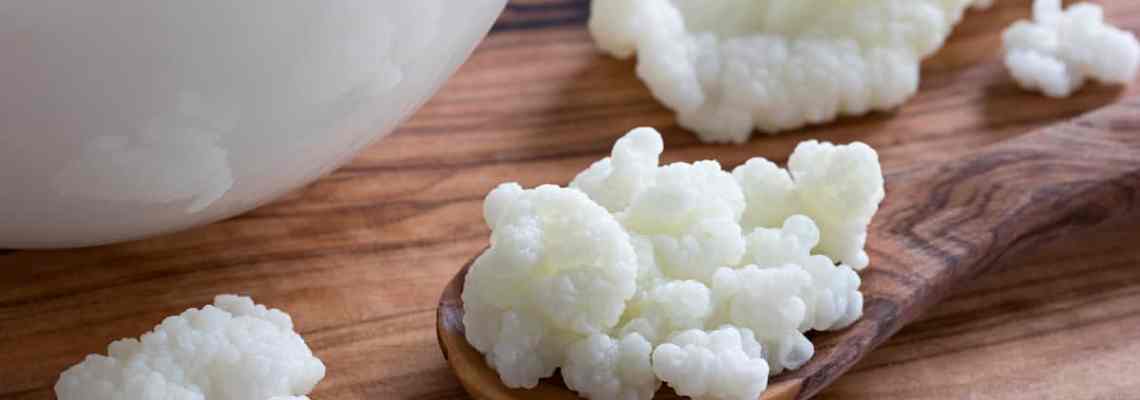
Kefir is easy to make. You just put these Kefir “grains” in some milk (preferably raw milk), let it sit for 24 hours at room temperature. Then you strain the grains and drink the fresh product.

Even though I strongly believe in real kefir from real kefir grains, I do support commerical kefir being in the grocery ecosystem. At the very least, having brands like Lifeway Kefir can bring awareness to people who want to make their own kefir at home.

I still buy Kefir from the grocery stores and co-ops sometimes.

This post contains some affiliate links to help you learn about products that I like. My favorite brand of Kefir is called, “Grace Harbor Farms,” and they sell a very high quality cow or goat kefir made from real kefir grains. I can taste and feel the difference.

Other downsides of store-bought Kefir

You have to be careful about the other brands because they might add regular milk after the fermentation process or they will label an item as being, “pomegranate flavored,” while containing no actual pomegranate.

If you must, buy unsweetened.

Drinking something that contains added sugars is almost never a good thing or there are far better natural alternatives that could nourish the system as well.
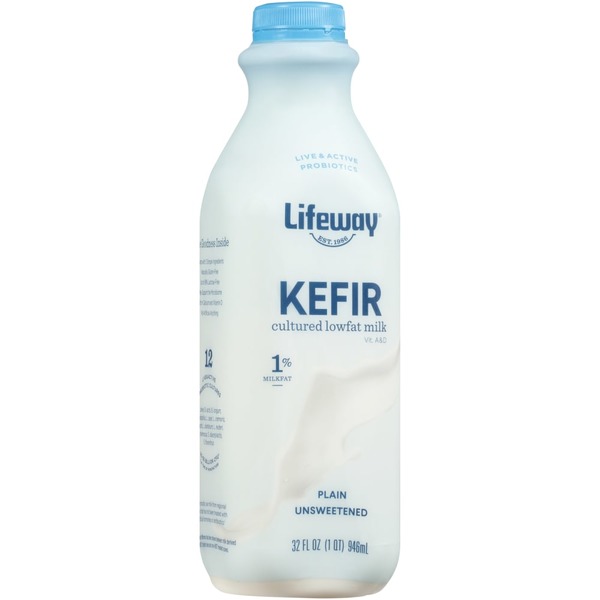
Probably very healthy, even though mass produced commercially from powdered starters.

Unsweetened dairy is the key if you are going to succeed in the dairy route. Sugary dairy can cause a metabolic disaster. If you are going to sweeten your dairy, perhaps go with honey, berries, or other natural ways.

Fermenting your own Kefir grains at-home can be easy, require little effort, and be cost effective.

Kefir is a great way to consume high quality protein, fats, carbs, minerals, enzymes, probiotics, antioxidants, and other beneficial living organisms.

Basically, Kefir has a ton of benefits for a person who wants to improve digestion and eliminate regularly.
If you are a person who has generally tolerated milk in the past, then going on kefir will be easier. However, if you are a person who has not tolerated milk, then going on kefir may need to be a more gradual process.

I have heard of people drinking kefir and then finally being able to enjoy ice cream and dairy again. They claimed, “Kefir healed and cured my lactose intolerance.” It wouldn’t surprise me.

Before we go any further, I want to make a quick list of some benefits of Kefir and then we’ll continue the guide.

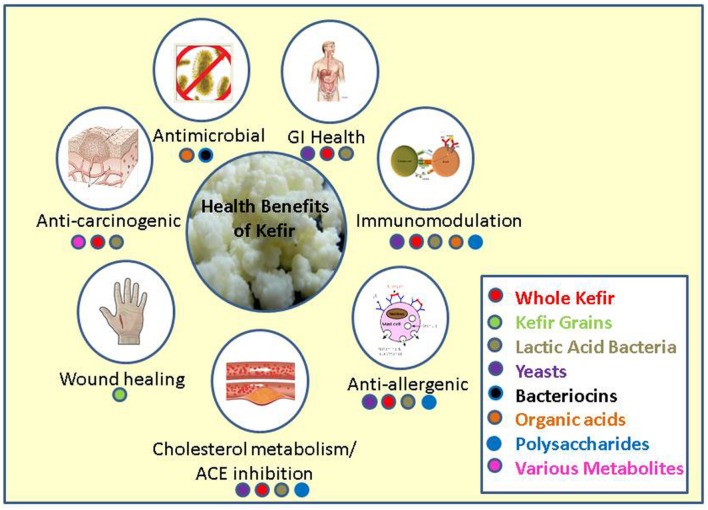
7 Benefits of Kefir:

Cholesterol Metabolism and ACE Inhibition

  • “Kefir grains are capable of reducing the cholesterol levels of milk through the fermentation process and have been shown to reduce the levels of cholesterol present by between 41 and 84% after 24 h fermentation and a further 48 h of storage.”

Effects on the Host Gut and Gut Microbiome

  • “Inhibits the adherence of Salmonella typhimurium and Escherichia coli.”
  • Kefir promotes changes in gene expression shown to be extremely important for the modulation of the host inflammatory response.

Antitumor Effects

  • Kefir is able to modulate the immune system in the gut. The immunomodulatory abilities of kefir go far beyond the gastrointestinal tract, likely throughout the entire body.

Immunomodulatory Effects

  • “The result was a shift from a Th1 immune response to a Th2 response as well as increases in the levels of IgA present.”
  • Immunoglobulin A (IgA) is the most abundant type of antibody in the body. It secretes immunogloblulins while promoting circulation of immunoglobulins. IgA has a protective effect for the mucosal tissues against microbial invasions and also supports immune homeostasis.

Anti-Allergenic Effects

  • Kefir supports the balance of Th1/Th2 cell ratio which is important because that is one of the mechanisms involved in food allergy.

Health Benefits of Yeast in Kefir

  • Some yeasts from kefir act as immunomodulators capable of decreasing the inflammatory signals.
  • Yeasts from kefir also act synergistically to improve the probiotic properties of bacterial species and co-aggregation makes their effects stronger.

Kefiran and the Cell Free Fraction of Kefir

  • Most people are unaware of Kefiran because it is undetectable in commercially produced Kefir.
  • Kefiran is hard to describe, but the presence of kefirans typically means that your kefir is happy and healthy. The kefiran is formed in stringy strands that hang out with the grains and are somewhat gooey.
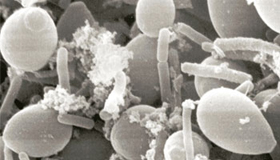
  • Kefiran alone is a remarkable immune booster and is even more powerful as a synergist with kefir probiotics.

But Dre, how does that help me poop better?

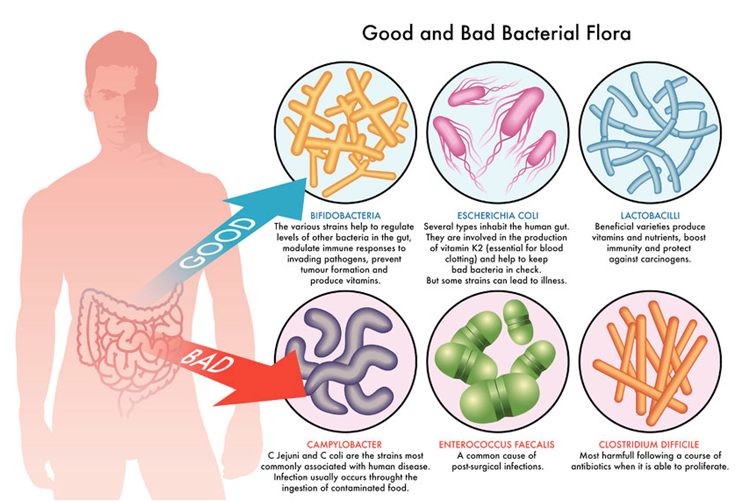
It helps because of the ways in which bacteria stick to your gut and how kefir can help you grow your own healthy bacteria while kicking out bad bacteria and bad yeasts like candida.

Kefir accomplishes many goals from a nutritional perspective. Aside from the amazing, gut/body-building amino acids found in Kefir, there are so many diverse living forms that for some reason are very compatible with the human biome. Kefir makes milk a food for babies and transforms it into one of the most nourishing gifts available to humanity.

Kefir helps you poop out the bad bacteria and helps to kill and poop out the mycotoxins and yeasts.

Super Simple Kefir Guide

Don’t let the process of fermenting kefir grains intimidate you.

It is actually way easier than kombucha.

Let’s transform milk from a dud to a tonic.

1. Acquire Kefir Grains

You can acquire kefir grains from Facebook groups, various kefir websites, from Amazon.com, or from natural health stores and co-ops. E-bay also has lots of kefir.

I always recommend these Kefir grains from Amazon.com. Make sure to get the larger size as it will make the starting process way easier and theoretically you’ll never have to buy grains again since the grains grow and replicate naturally from milk fermentation.

2. Acquire Kefir Fermentation Tools

Quick tip: Avoid metal and anything metal. Kefir prefers to stay away from metal. Use plastics, glass, mesh, etc.

Your fermentation container could be a bowl or it could be a fermentation bottle.

It is a good idea to let the kefir have air supply.

3. Once kefir arrives, place it in container with milk immediately.

The kefir needs milk in order to be happy and grow all of its beneficial probiotics and yeasts for you. Preferably, give it raw goat milk as I believe it to be the highest quality in my life. Obviously, most people don’t have access to this.

Does the quality of the milk matter with kefir fermentation? Yes, of course.

The better quality and the fresher the milk, the better quality and fresher the kefir. Ideally, stick unprocessed or minimally processed milk. Whole fat, non-homogenized, grass-fed, organic, and unpasteurized are best, but I recognize there are limitations.

1 Tablespoon of kefir grains per 4-6 ounces of milk.

4. Keep kefir in room temperature, with a breathable cover for 24 hours.

The amount of time varies based on the quantity and activity of the kefir grains as well as the type of milk and the room temperature. Fresh, full fat milk tends to ferment faster in my experience. Warmer temperature accelerates the process.

5. Make sure to stir, shake, or agitate the kefir regularly.

It’s good enough to stir the kefir with a wooden spoon even just once during the 24 hour fermentation window. If you have the kefir in a container with a lid, then you can just shake it around a little bit. This is good because it gives the kefir grains access to different parts of the food and it makes sure that the top part doesn’t grow kinda funky.

The easiest way to avoid the top part growing funky is by making sure it doesn’t sit too long. If it is sitting still for 48+ hours, that is not good. You need to repeat the process daily, so at least it isn’t hard to do.

6. Once the kefir has reached optimal fermentation, strain the kefir using a non-metal straining method.

Strain the kefir into a new bowl. Now that you have separated the grains from the liquid, you officially have your kefir drink.

Your options are as follows: a) drink it now, b) put it in the refrigerator and save for later, or c) double-ferment by leaving just this grain-free liquid out in room temperature for another 24 hours.

You can get benefits from kefir doing it any of these ways. Experimentation is best.

7. Put Kefir back in your fermentation container, add new milk and repeat the process.

After a few times, you will need to add more milk because your grains will have multiplied. The benefit of having more grains is that you can ferment smaller amounts of milk much faster in case you only have 12-18 hours before you wanted your next batch.

I hope this helps your digestion and elimination along with other things that may be bothering you.

If you find this helpful, please support the blog by hitting the follow button now.

Kefir can help you, but LISTEN to your body.

Hopefully, I can be of help to you. I am working now to provide relevant gut-health content for you. I am committed to this blog, but I am also considering taking on new clients as I have recently become certified as a Functional Nutritional Therapy Practitioner.

For the meantime, leave a comment here to communicate with me.


Sources:
Bourrie BC, Willing BP, Cotter PD. The Microbiota and Health Promoting Characteristics of the Fermented Beverage Kefir. Front Microbiol. 2016;7:647. Published 2016 May 4. doi:10.3389/fmicb.2016.00647
Maki R, Matsukawa M, Matsuduka A, et al. Therapeutic effect of lyophilized, Kefir-fermented milk on constipation among persons with mental and physical disabilities. Jpn J Nurs Sci. 2018;15(3):218-225. doi:10.1111/jjns.12189
Dimidi E, Christodoulides S, Scott SM, Whelan K. Mechanisms of Action of Probiotics and the Gastrointestinal Microbiota on Gut Motility and Constipation. Adv Nutr. 2017;8(3):484-494. Published 2017 May 15. doi:10.3945/an.116.014407

 

Body Composition Fat Loss Nutrition, Immunity, and Digestion Weightloss Now

11 Diet Tips from the Probiotic Lifestyle: Why Feeding the Gut Microbiome Slows Down Aging and Can Save Your Life from Preventable Disease!

Bio-diversity is essential for human health and evolution!

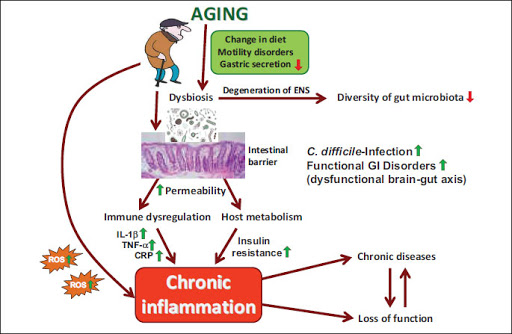
Even though I can’t prove it, I believe more than 99% of all human diseases can be prevented or managed by nourishing the gut. My personal mission is to help your microbiome become more robust, diverse, and balanced. It will make your life way better and it will also have beneficial consequences for the collective human microbiome (another way of saying our collective health as a species).

Benefits of Diverse Gut Microbiome 

Shreiner et. al provide us with an overview of the evidence to show that a healthy microbiome supports the following:

  • Healthy metabolism, absorption of nutrients, and ability to inhibit tumor growth, particularly in the colon.
  • Microbiota promote immune homeostasis and, “influences immune functions at all levels from the initial innate defense to complex acquired responses.
  • Use of antiobiotics are associated with increased cardiovascular risk factors. (Measured through plasma TMAO levels or trimethylamine-N-oxide)
  • Clostridum difficile is a disease that results from critical changes to the gut microbiota and is effectively treated by microbiota-based therapy.”
  • Inflammatory bowel disease and Crohn’s disease is related to a lower microbial diversity and a dysbiosis or imbalance of the gut. Treatment by professionals may be focused on increasing the diversity and richness of beneficial micriobial species in the gut and biome.

Good news: The Gut has some plasticity.

By eating a diversity of healthy foods, you will get an abundance of antioxidants, fiber, and other ancient plant wisdom.

“The quality of being easily shaped or molded.”

“The adaptability of an organism to changes in its environment or differences between its various habitats.”

The not so good news: the older you are, the harder it will be.

Why it is harder for people who are older? It is not about your numerical age. It has to do with the fact that years of consuming high glycemic foods that have been stripped of fiber, antioxidants, and other vital essences have allowed undesirable bacteria species to overpopulate.

Furthermore, many people who grew up on cereal and processed foods are going to struggle more to reach their fitness goals later on in life. It’s not fair, at all. There is hope though, so read on.

Undesirable bacteria become squatters that you can’t evict. Once upon a time, they contributed something of value to your system, but now they are leeching nutrients from you and not giving you much back in return. Biologically, these bacteria create bio-films that protect their opportunistic environment inside your gut.

You can degrade these bio-films over time with herbs, enzymes, fermented foods and more (note: Amazon affiliate links). I’ll be covering this in depth in future posts as well.

Here are some general tips to think about when looking to enrich or improve the diversity of your microbiome.

For the pursuit of microbiome enrichment, you may consume the following:

1. Fruit from a tree that is tasty

2. Leaves from a plant that is hardy (kale).

3. Fungi from a birch tree (chaga)

4. Roots that also grow edible leaves (carrots, beets, etc.)

5. Red color leaves (chard), purple color leaves (purple kale), green color leaves (cabbage), and so on.

6. Nuts from a tree

7. Leaves that have been cultured (sauerkraut)

8. Dairy that has been cultured (Kefir, see my kefir post. I’ll be writing an extensive Kefir guide coming up because it is that important).

9. Fruit from trees that is fatty (avocado, olives)

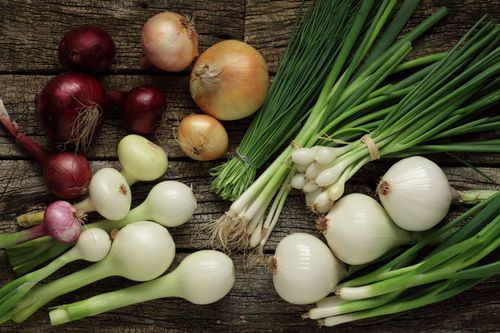
10. Selections from the allium genus (onions, garlic, shallots, chives)

Benefits of onion and related species: full of enzymes, performance enhancing antioxidants, and minerals for blood sugar regulation.

11. Herbs / foods that make you hot or sweaty (peppers)

This should at least be enough to get you started and stimulated with some nutritional ideas.

It is important to note that one size does not fit all with nutrition. You are diverse, therefore you must learn what is best for you.

You can have guidance from practitioners who can support you in this journey. You can also learn from testing and experimenting — be mindful and honest about how your food is affecting you in order to make progress this way.

Stay tuned for more updates!

We’ve had an exciting time around here with a solid one post per day for three days straight! Let’s keep up the momentum.

The people who need us will find us, as long as we keep publishing. I hope you revisit here and join this growing community.

I invoke the powers of will to serve you in your fitness journey.

Sources:

Heiman ML, Greenway FL. A healthy gastrointestinal microbiome is dependent on dietary diversity. Mol Metab. 2016;5(5):317‐320. Published 2016 Mar 5. doi:10.1016/j.molmet.2016.02.005

Davis CD. The Gut Microbiome and Its Role in Obesity. Nutr Today. 2016;51(4):167‐174. doi:10.1097/NT.0000000000000167

Shreiner AB, Kao JY, Young VB. The gut microbiome in health and in disease. Curr Opin Gastroenterol. 2015;31(1):69‐75. doi:10.1097/MOG.0000000000000139

Body Composition disease prevention Fat Loss Nutrition, Immunity, and Digestion

Top 5 Raw Honeys for Anti-Viral, Immune Support, Antioxidants, Vitamins, Minerals, Enzymes, and More

Real honey has proven therapeutic benefits.

Most people will digest honey well and experience the benefits of it.

Honey is one of the most perfect survival and storage foods as bacteria and viruses won’t be able to grow and honey contains a tremendous amount of energy and nutrients. It has a low moisture content, which keeps it preserved for longer periods of time. Even though you can store it, the nutrient value remains high.

I’ve compiled a list of some of the most powerful honey’s that I have personally consumed, experienced, and rated.

Top 5 Most Beneficial Raw Honey’s for antioxidants, immune support, health, vitamins, minerals, enzymes, micronutrients, phytonutrients:

Let’s just go ahead and start this list!

1. Tualang Black Honey

Did you get sticker shock when you saw the price?

Most people are not accustomed to eating wild food and they might benefit even more from something like this. The darkness of the honey (black) indicates significantly higher antioxidant value than your typical grocery store bought honey. The wisdom of nature is strong in this one. Research has backed this up.

Findings thus far show that, TH has antimicrobial, anti-inflammatory, antioxidant, antimutagenic, antitumor, and antidiabetic properties, in addition to wound-healing attributes.

Even though this might be the most expensive honey you buy, no doubt the value is there.

This stuff tastes good to me, but just know that it will be more bitter than the normal honey you might be used to.

2. Manuka Honey

Most people have heard about the topical benefits of manuka honey, but not everybody knows that it is just as healthy to use internally. I used to work at a supplement store years ago and people would come in to buy manuka honey to heal their wounds. More research suggests that it is also great for dental, oral health and so much more.

“Therapeutic Manuka Honey: No Longer So Alternative”

Our results showed that honey, in general, and particularly manuka honey, has potent inhibitory activity against the influenza virus, demonstrating a potential medicinal value

Manuka honey has a pretty smooth texture and taste. It goes great with greek yogurt in my opinion!

3. Marri or Jarrah Honey

These honey’s I’ve listed can be pretty intense. Thick and dark, sweet but subdued. The flavor is unique for sure.

Jarrah and marri honey: A liquid goldrush of medical benefits

Independent testing of jarrah and marri honey in New Zealand in 2016 found that it had stronger antimicrobial properties than the much prized manuka honey

“Diversity is a very good thing because … what we end up with is stronger therapeutic outcomes.”

The good stuff is out there. I hope to bring awareness to it!

4. Wild Oregano Honey

If you’ve been in the alternative or holistic scene for a bit, you’ve probably heard of the benefits of oregano oil for the immune system, but you may not have heard about oregano honey. First off, yes, there is a nice spicy aroma that hits you when you open this jar of honey. It is quite an experience to enjoy the flavors and the immune boosting benefits.

Namely, melanoidins content, phenolic content, electrical conductivity, and mineral content were shown to be positively influencing the gained antibacterial activity.

This is a truly special and unique honey. I personally feel that oregano oil extract is a bit too harsh on my body, so if I can experience the benefits of oregano in a wild/raw food form, then I’m all for it.

5. Black Seed / Cumin Honey

Just like the other honeys, the flavor is intense. The antioxidants are high and the price is a good value considering the benefits.

…[used] as a natural remedy for many disorders like cough, jaundice and gastrointestinal disorders.

There is a common Islamic belief that the black seed is a panacea (universal healer) which is a remedy for all ailments

I really enjoyed this honey and will be buying it again.

Will you let food be your medicine?

I cannot diagnose, cure, or prescribe anything for you… only educate.

I implore you to redefine your view of, “natural / alternative,” health.

We need for “alternative remedies” that actually work for people to go mainstream. Including food such as raw honey into your lifestyle could provide many nutrients that you didn’t even know you needed!

Stay tuned. Follow the blog for updates.

Body Composition disease prevention Nutrition, Immunity, and Digestion supplements