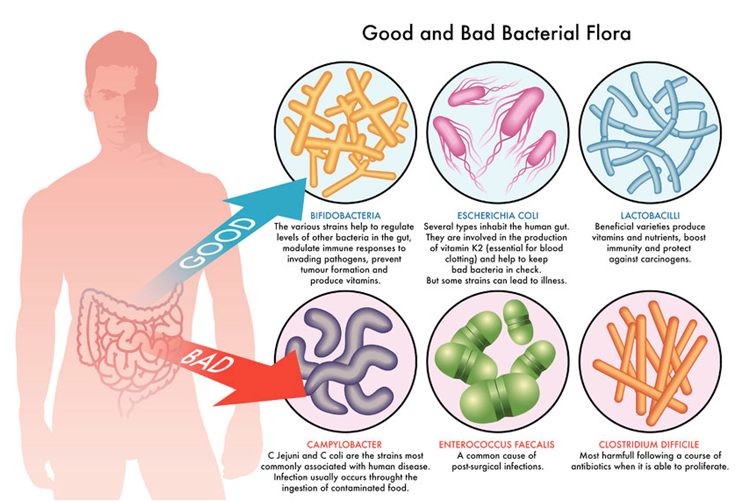
Americans, This is Why You Will Suffer From Chronic Disease.

Despite being able to live longer than our ancestors, this no longer means that we will live better.

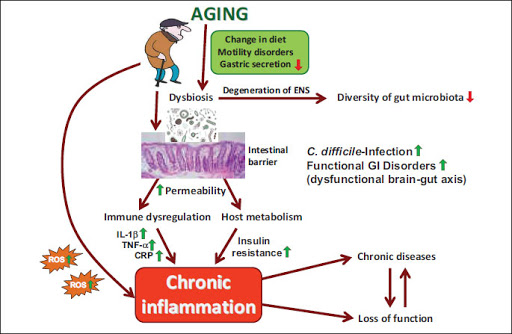
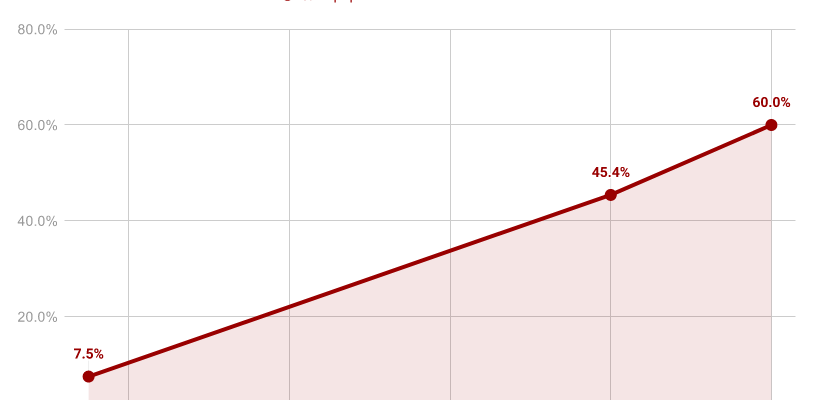
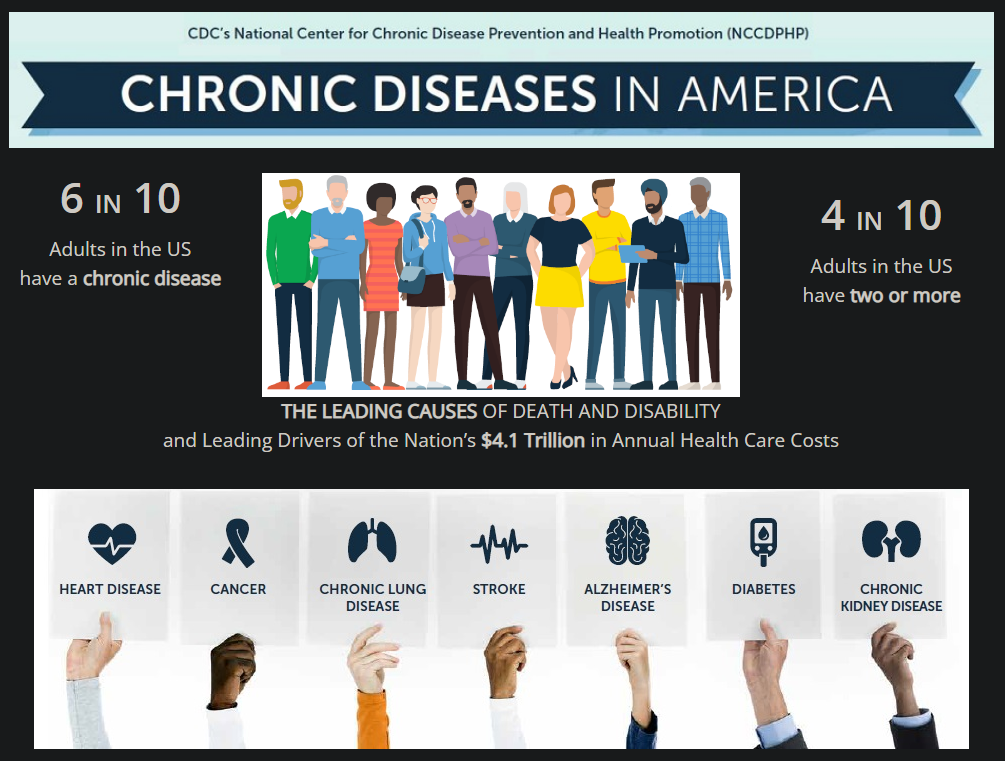
Chronic disease is becoming the status quo and many people don’t seem to be alarmed. The Center for Disease Control suggests that 6 out of 10 adults living in the USA have at least one chronic disease.

What’s worse is that most people who have at least one chronic disease also have multiple chronic diseases.

86% of health care costs are attributable to chronic disease.

https://www.ncbi.nlm.nih.gov/pmc/articles/PMC7077778/

What causes chronic disease?

This is the big question.

disease prevention Immunity Nutrition

Top 5 Favorite Antioxidants for Gut Health, Fatty Acid Metabolism, and Fitness

Antioxidants are like the prisms of life.

The symbolism of the antioxidant is that of protection.

Antioxidants protect us from volatile oxygen molecules. With the protection of antioxidants, our body can filter the chemical reaction from oxygen consumption in a positive way. We become more efficient in our environment.

There is one secret that I haven’t talked enough about. I will share this with you today.

Human Power Runs on Short Chain Fatty Acids.

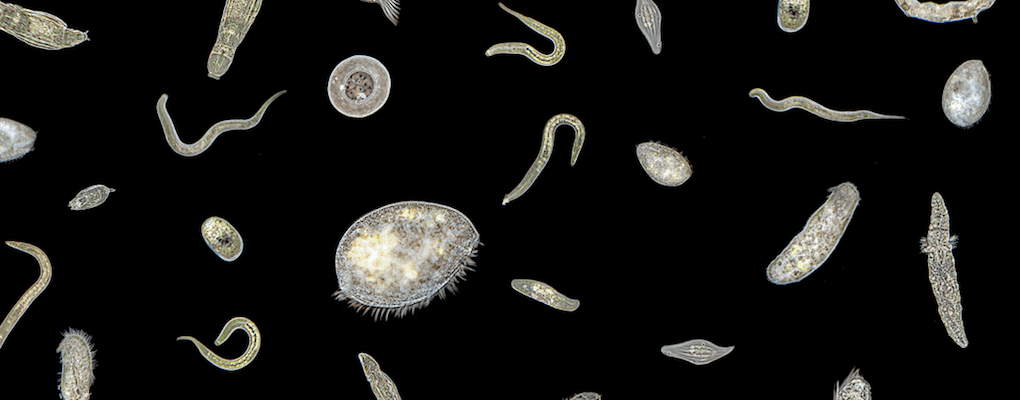
The basic cellular functions appreciate short chain fatty acids that are metabolized by a variety of bacteria all combining to form a significant part of the human ecosystem and microbiome. Fortunately, there is evidence of plasticity with changes of microbiome related to changes in diet.

One example of a strategy would be a simple focused plan to consume foods that increase diversity within in the gut. I’ll give you reasons why antioxidants are crucial in gut health evolution.

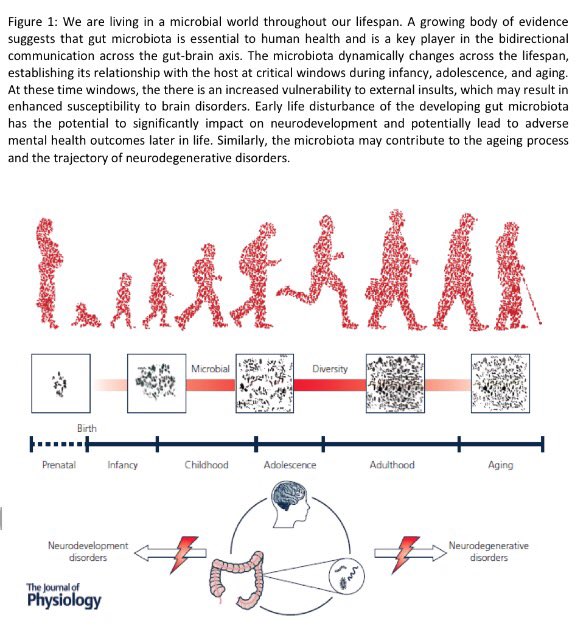
The ecosystem of the microbiome changes like waves in athletes.

This picture is an example of how easily it is to notice quick alterations in an athlete.
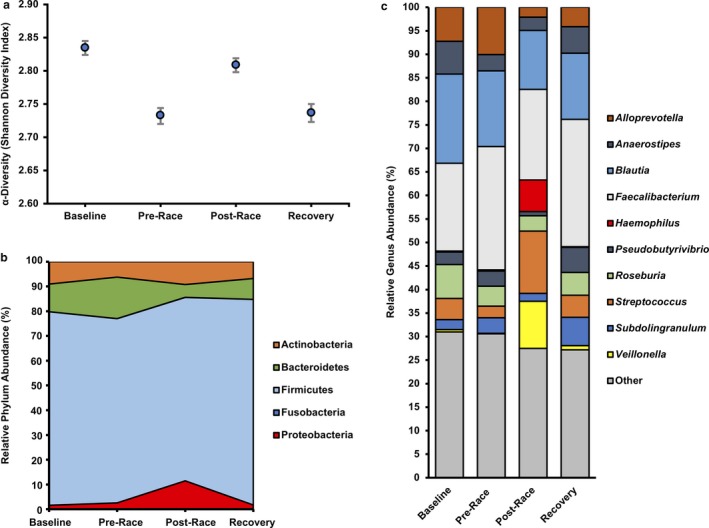
It isn’t a far guess to assume that the function and health status of the immune system is also highly related to this.

Antioxidants have effect on DNA/RNA relationships

I believe that antioxidants represent some vital life force in the world. I have many favorite antioxidants. Things like polyphenols or proanthocyanidins may balance the adrenals, supporting cognitive function.

My favorite antioxidants:

This is the first list. More lists coming soon so please click the follow the blog button.
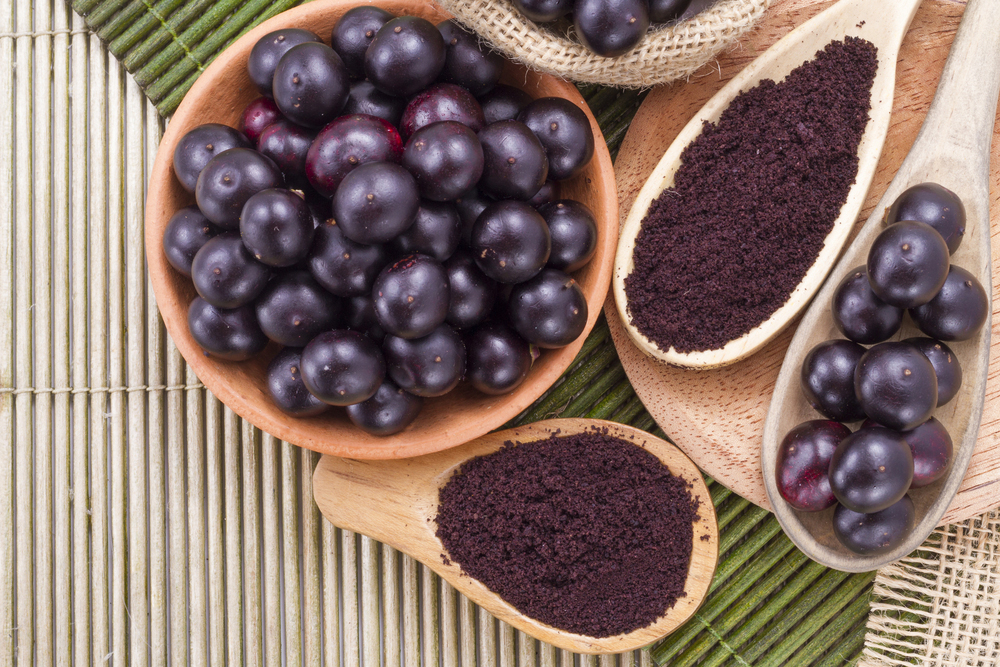
1. Acai

acaiyummy

I have so many good memories on great beaches with wonderful people. It is from the Amazon rainforest and the pure unsweetened pulp is a highly valuable item in my opinion. This is an Amazon affiliate link that supports the future of the blog.

Me years ago on a beach far away.

When I was in Brazil, my thought specifically to get more acai was the benefit for my skin while in the hot sun. I know I needed protection and I believed this helped keep me healthy.

2. Wild Alaskan Salmon or also natural astaxanthin.

This is one of the SLAMMERS in the antioxidant world! It’s the reason why salmon and many marine life forms, and things that eat marine life forms, often have a pink hue.

This is an extremely valuable antioxidant with effects throughout the body because it crosses the blood-brain barrier. Aside from reaching your brain, it can also reach into your eyeballs and impart its DNA supporting wisdom upon the optical lens.

If you are not a fish eater, then a great alternative may be an algae like chlorella.

3. Chlorella

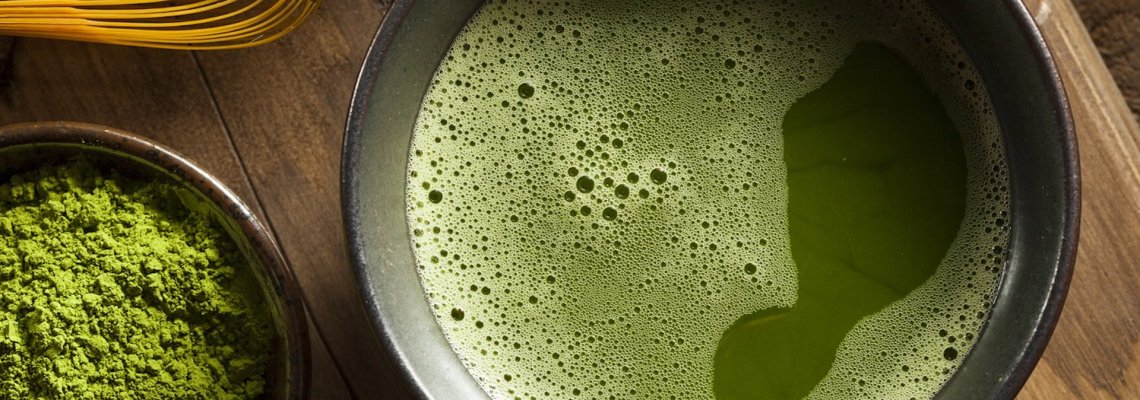
Okay, I had to give it a category of its own here. I bring chlorella everywhere that I travel, when I traveled. I mix it with matcha powder to start every day.
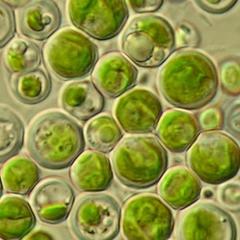
lookslikelittlepeas

Chlorella was green before being green was even a thing.

The reason I love it when traveling is because when traveling the food can be unpredictable. I know that if I have it with me, I am guaranteed some awesome antioxidants to start the day. This, I believe can offset less beneficial food that I may consume later on because lets have some fun right.

By the way, I have been consuming chlorella for almost 12 years now. Korea seems to produce most of the top quality chlorella, while there are other niche or naturally occurring areas that provide chlorella.

4. Matcha

I think I might overuse matcha a little bit because I love it so much. I am just hoping that the L-Theanine will protect my central nervous system in the meanwhile.

5. Berries

This was just the next thing that came to mind and the last one of the list for now. Berries can be so refreshing and sweet.

I love the way that berries can help with normal hydration because they contain water.

I love the way that berries feel in my mouth and all over my tongue.

Make sure to hit the Follow Blog button

Sometimes we need other people to reflect light on to us and that gives us more balance.

I hope that some positive light was reflected upon you while reading this article.

May your gut bacteria reside in harmony with the world.

Sources
Puertollano E, Kolida S, Yaqoob P. Biological significance of short-chain fatty acid metabolism by the intestinal microbiome. Curr Opin Clin Nutr Metab Care. 2014;17(2):139‐144. doi:10.1097/MCO.0000000000000025
Pandey KB, Rizvi SI. Plant polyphenols as dietary antioxidants in human health and disease. Oxid Med Cell Longev. 2009;2(5):270‐278. doi:10.4161/oxim.2.5.9498
Cires María José, Wong Ximena, Carrasco-Pozo Catalina, Gotteland Martin. The Gastrointestinal Tract as a Key Target Organ for the Health-Promoting Effects of Dietary Proanthocyanidins. Frontiers in Nutrition.
VOLUME 3, 2017, PG 57
Grosicki GJ, Durk RP, Bagley JR. Rapid gut microbiome changes in a world-class ultramarathon runner. Physiol Rep. 2019;7(24):e14313. doi:10.14814/phy2.14313
Kanakis CD, Tarantilis PA, Polissiou MG, Diamantoglou S, Tajmir-Riahi HA. An overview of DNA and RNA bindings to antioxidant flavonoids. Cell Biochem Biophys. 2007;49(1):29‐36. doi:10.1007/s12013-007-0037-2
Trosvik P, Rueness EK, de Muinck EJ, Moges A, Mekonnen A. Ecological plasticity in the gastrointestinal microbiomes of Ethiopian Chlorocebus monkeys. Sci Rep. 2018;8(1):20. Published 2018 Jan 8. doi:10.1038/s41598-017-18435-2
 

Body Composition disease prevention Fat Loss Fitness Nutrition, Immunity, and Digestion supplements

11 Diet Tips from the Probiotic Lifestyle: Why Feeding the Gut Microbiome Slows Down Aging and Can Save Your Life from Preventable Disease!

Bio-diversity is essential for human health and evolution!

Even though I can’t prove it, I believe more than 99% of all human diseases can be prevented or managed by nourishing the gut. My personal mission is to help your microbiome become more robust, diverse, and balanced. It will make your life way better and it will also have beneficial consequences for the collective human microbiome (another way of saying our collective health as a species).

Benefits of Diverse Gut Microbiome 

Shreiner et. al provide us with an overview of the evidence to show that a healthy microbiome supports the following:

  • Healthy metabolism, absorption of nutrients, and ability to inhibit tumor growth, particularly in the colon.
  • Microbiota promote immune homeostasis and, “influences immune functions at all levels from the initial innate defense to complex acquired responses.
  • Use of antiobiotics are associated with increased cardiovascular risk factors. (Measured through plasma TMAO levels or trimethylamine-N-oxide)
  • Clostridum difficile is a disease that results from critical changes to the gut microbiota and is effectively treated by microbiota-based therapy.”
  • Inflammatory bowel disease and Crohn’s disease is related to a lower microbial diversity and a dysbiosis or imbalance of the gut. Treatment by professionals may be focused on increasing the diversity and richness of beneficial micriobial species in the gut and biome.

Good news: The Gut has some plasticity.

By eating a diversity of healthy foods, you will get an abundance of antioxidants, fiber, and other ancient plant wisdom.

“The quality of being easily shaped or molded.”

“The adaptability of an organism to changes in its environment or differences between its various habitats.”

The not so good news: the older you are, the harder it will be.

Why it is harder for people who are older? It is not about your numerical age. It has to do with the fact that years of consuming high glycemic foods that have been stripped of fiber, antioxidants, and other vital essences have allowed undesirable bacteria species to overpopulate.

Furthermore, many people who grew up on cereal and processed foods are going to struggle more to reach their fitness goals later on in life. It’s not fair, at all. There is hope though, so read on.

Undesirable bacteria become squatters that you can’t evict. Once upon a time, they contributed something of value to your system, but now they are leeching nutrients from you and not giving you much back in return. Biologically, these bacteria create bio-films that protect their opportunistic environment inside your gut.

You can degrade these bio-films over time with herbs, enzymes, fermented foods and more (note: Amazon affiliate links). I’ll be covering this in depth in future posts as well.

Here are some general tips to think about when looking to enrich or improve the diversity of your microbiome.

For the pursuit of microbiome enrichment, you may consume the following:

1. Fruit from a tree that is tasty

2. Leaves from a plant that is hardy (kale).

3. Fungi from a birch tree (chaga)

4. Roots that also grow edible leaves (carrots, beets, etc.)

5. Red color leaves (chard), purple color leaves (purple kale), green color leaves (cabbage), and so on.

6. Nuts from a tree

7. Leaves that have been cultured (sauerkraut)

8. Dairy that has been cultured (Kefir, see my kefir post. I’ll be writing an extensive Kefir guide coming up because it is that important).

9. Fruit from trees that is fatty (avocado, olives)

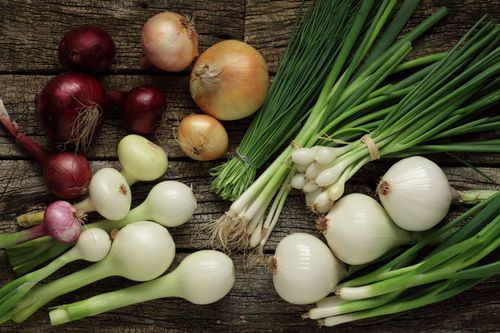
10. Selections from the allium genus (onions, garlic, shallots, chives)

Benefits of onion and related species: full of enzymes, performance enhancing antioxidants, and minerals for blood sugar regulation.

11. Herbs / foods that make you hot or sweaty (peppers)

This should at least be enough to get you started and stimulated with some nutritional ideas.

It is important to note that one size does not fit all with nutrition. You are diverse, therefore you must learn what is best for you.

You can have guidance from practitioners who can support you in this journey. You can also learn from testing and experimenting — be mindful and honest about how your food is affecting you in order to make progress this way.

Stay tuned for more updates!

We’ve had an exciting time around here with a solid one post per day for three days straight! Let’s keep up the momentum.

The people who need us will find us, as long as we keep publishing. I hope you revisit here and join this growing community.

I invoke the powers of will to serve you in your fitness journey.

Sources:

Heiman ML, Greenway FL. A healthy gastrointestinal microbiome is dependent on dietary diversity. Mol Metab. 2016;5(5):317‐320. Published 2016 Mar 5. doi:10.1016/j.molmet.2016.02.005

Davis CD. The Gut Microbiome and Its Role in Obesity. Nutr Today. 2016;51(4):167‐174. doi:10.1097/NT.0000000000000167

Shreiner AB, Kao JY, Young VB. The gut microbiome in health and in disease. Curr Opin Gastroenterol. 2015;31(1):69‐75. doi:10.1097/MOG.0000000000000139

Body Composition disease prevention Fat Loss Nutrition, Immunity, and Digestion