Myth: All young people have perfect bodies

Some people in their 40’s and 50’s think young people are healthy because of youth alone.

I have seen it before. People start aging, they feel lower back pain, their digestive systems break down, and they blame it all on age. With the knowledge I have about natural health, I act as a resource for them, yet they seem to think that I’m not living the health lifestyle day in and day out.

The way we treat our bodies now will be a good predictor of how our bodies treat us in the future.

Over the weekend, I saw a bunch of my former college buddies for a birthday party and they asked me about the health of coca-cola. I made sure not to judge or patronize, but research has shown that coca-cola is basically brain control. A highly concentrated source of sugar like soda simply does not exist in nature, yet we have so many people drinking coca-cola every single day.

Add a few beers on top of that coca-cola, and you’re setting yourself up for some serious inflammatory problems down the line. That’s when we get back to the 50 year old trucker who has eaten more fast food that could even be counted. His knees hurt and any food he consumes will bloat him up like a hot air balloon.

He looks at me and says, “you don’t need any of these products, you’re too young, you can eat anything.”

You’re right, I can eat anything. But since I value my health, my longevity, and a lean physique, I eat cleaner than the language on sesame street. Processed foods are strongly avoided. Restaurants are only on occasion. And I constantly plan meals for the next day or week.

I don’t need any credit for it. You just need to realize that everything you do to your body is going to affect you in some way. No matter how old you are.

Nutrition, Immunity, and Digestion

How to Choose a Personal Trainer for REAL Results!

How exactly does a Personal Trainer help with weight loss?

A good Personal Trainer will help you reach your goals and motivate you to where you want to be. It’s easy for a trainer to simply go through the motions with you, but if you aren’t getting the results you want then you need to seriously look at the situation.
Training for Fat Loss vs Personal Training for Training’s sake.

Some trainers can show you how to use basic exercise form and get you doing sets of excessively high repetitions so that you.. “feel the burn.” You might enjoy their company, and keep coming back even if progress is sluggish.

OR…

Better yet, we can design a specific training program that solves muscle imbalances while working your body hard enough that it seriously oxidizes and burns the fat right off.

I think that is what separates the average trainer from an advanced trainer.

As a trainer, I want results more than you do.

My reason for being a trainer is to get results. You can connect with me, but our time together is not just social time… it’s training for fat loss! (Or whatever your goal may be!)

I believe we must…

  • Provide a specialized, individualized exercise program for each client
  • Be a positive social influence, practice what we preach
  • Exceed client expectations by getting results you never thought possible
  • Pay attention to client needs at all times during training session
  • GET RESULTS!

So choose your trainer wisely, the money is definitely worth it in order to get a great body and avoid the high cost of disease and degeneration. You must choose a trainer who will help you achieve your own results. Be selective — the industry is growing.

Experience is valuable, yet results matter most!

Physical Fitness by Dre

The Role of Supplements in a Health and Fitness Program

Are fitness supplements worth the cost?

N.O. Xplode, Aromatest, and Anabolic Halo all have three things in common.

Shiny bottles, hefty price tag, and big promises.

The NYTimes just ran a fitness article about designer supplements and the billions of dollars Americans spend each year. The main market for these supplements are young men who desire to achieve the ideal male physique.

Can supplement companies outsmart nature?

Gaining muscle is difficult. For a guy to get a ripped, muscular physique, he has to literally live the lifestyle. And when two out of every three people are overweight or obese, this society does not make it easy to get lean.

Supplement companies make big promises. Increased muscularity, massive muscle pumps, shredded abdominals, and stronger libido can be found on the labels of fitness supplements. With these pills, they promise, you can use advanced technology to gain muscle.

But this is foolish because nature got it right the first time. In fact, the robustness of the immune system is intrinsically linked to the potential strength and power output of every gym goer. That means you need a functioning immune system for a big bench press.

Everything you need…you can find in nature, almost.

I just received a good multi-vitamin as a free sample from a top company. But, looking at the ingredients, and considering the foods I consumed today, I can’t imagine that I’ll be even using this multivitamin. To give you a clue of the food I ate today, it included eight pieces of fruits, and at least ten servings of vegetables, along with lentils and quinoa. Why in the world would I need a multivitamin?

But, there are a few minor essential elements that my diet lacks…

Omega-3 Essential Fatty Acids — so I take fish oil supplement daily.

Vitamin D — so I take Vitamin-D 4,000 IU every other day.

Recovery Drink (Carb/Protein) —  I do support the use of a designer Recovery Drink with simple carbs and whey protein to consume following workouts. A designer recovery drink can really boost muscle growth, hormone levels, and fat loss.

Focus on the core essentials

The American food system doesn’t make it easy to get enough nutrients, but no one ever said life was easy. If you really want a ripped body, you’ve got to dedicate yourself to healthy food at least 80% of the time.

And if you want to have some extra fun, then try out more supplements, because a lot of them actually WILL give you a boost. Just focus on the core first.

Physical Fitness by Dre

Weight Loss Meal Plan Matrix, routine for fat loss

Weight Loss is about what TO eat, not what NOT to eat.

Step 1. CORE CALORIES at least 50% of your diet:

  • Pick one whole grain or pseudocereal (brown rice, quinoa, oatmeal)
  • Pick one legume (lentils, split peas, etc)

Since the above are loaded with complex carbs, fiber, vitamins, minerals, and even protein, they should consist of the majority of your diet. The pricetag is cheap. For example, you can buy three days of lentils for less than a dollar a day.

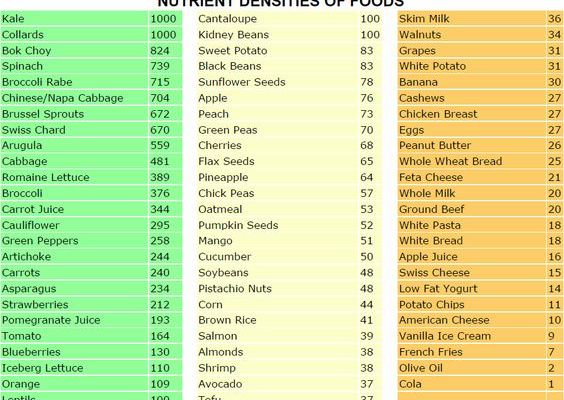
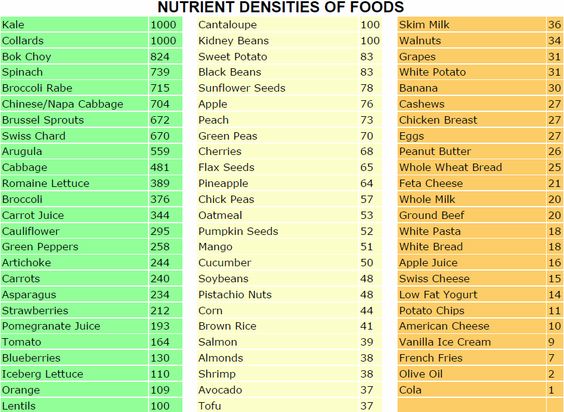
Step 2. NUTRIENT DENSE CALORIES roughly 20% of your diet:

  • Fruit, consume two pieces per day. Any fruit, just make sure to get a variety.
  • Vegetables, consume at least two servings per day (or as many as you want up to 20 servings).

*Note: Fruits and vegetables are very high in phytonutrients, which work together in scientifically undiscovered ways. But what we do know is that they prevent disease and keep you healthy.

nutrientdensef.jpg

Step 3. PROTEIN BASED CALORIES about 15% of your diet:

  • Fish
  • Meat
  • Tofu
  • Whey Protein Supplement

Step 4. OIL/FAT BASED CALORIES around 15 % of your diet:

  • Fish Oil
  • Flaxseed Oil
  • Olive Oil
  • Coconut Oil
  • Pumpkin Seed Oil
  • Walnuts
  • Almonds
  • Seeds

*Note: Fats are required for cardiovascular health and for the formation of healthy cells in our bodies. The right fats also promote body fat loss.

Aim for high nutrients, forget calories for a little while

When I used to diet to get muscle definition, I counted calories. AND IT WAS VERY DIFFICULT!

But there is a much easier way.

Focus on whole foods, eat lots of nutrient-rich foods, and forget about calories. Listen to your body, eat a balanced diet, exercise, and you can lose the weight. At any age!

Nutrition, Immunity, and Digestion Weightloss Now

Grains and Legumes: The bulk of your diet

The planetary human population is sustained by billions of calories per day from Grains and Legumes

And thats totally fine with me.

Even though grains and legumes are primarily carbohydrates, they won’t make you fat and they might even prevent heart disease. Whole grains and legumes are generally complex carbohydrates that contain healthy amounts of fiber, protein, vitamins and minerals.

Quinoa: Quite possible the BEST "Grain" out there

BUT…AVOID PROCESSED GRAINS

When the shell of grains has been taken off, you lose significant nutrients. Whole grains like brown rice lose value after it is processed into white rice.

Moreover, do not let the bastardization of whole grains in the form of breakfast cereals fool you. Typically, cereals are processed foods and are often recommended by nutritionists because of added synthetic vitamins supposedly good for you health. Some cereals are enriched with Folic Acid, but you can get plenty of Folate naturally from legumes and leafy green vegetables instead.

Combine Whole Grains and Legumes for Weight Maintenance, Energy Levels, and Disease Prevention

Whole Grains and Legumes typically compliment each other in terms of nutrients. For example, the protein amino acid profile in beans matches up well with that in rice. Hence why rice and beans go so well together.

Some people eat brown rice every day, and thats fine if you enjoy it.

I prefer to get the bulk of my diet from legumes instead. Lately, I am becoming addicted to Split Peas, which despite high carbohydrates, I notice myself leaning out. It keeps me satisfied and I don’t have urges for sweets.

Either way, consider consuming Whole Grains and Legumes as a regular part of your diet. Your energy levels will be sustained, you’ll sleep better, and prevent many types of diseases and cancers.

One more way to health, one more way to lean bodies.

Nutrition, Immunity, and Digestion Weightloss Now