How much Kefir should I drink?

Answering a reader question:

Hi Dre, I thoroughly enjoyed your article. I have been making it for a while now after studying gut health as well. I’m wondering, how much a day do you drink? Is there a limit we should stay under?

https://atomic-temporary-8094113.wpcomstaging.com/2017/02/11/why-i-drink-fermented-goats-milk-raw/#comment-21110

Hi Kelli!

Thank you for asking this great question. I’ll start by saying that I drink about 20 oz of kefir per day. This is spread out, preferably.

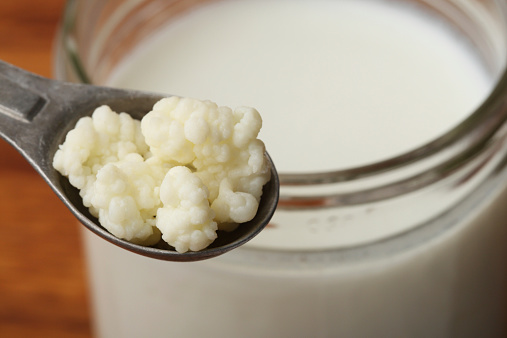
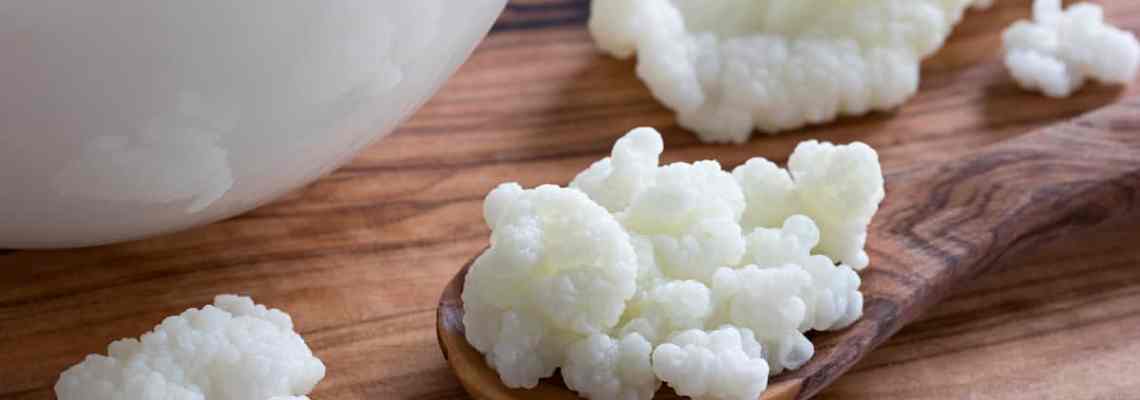
Kefir is easy to make. You just put these Kefir “grains” in some milk (preferably raw milk), let it sit for 24 hours at room temperature. Then you strain the grains and drink the fresh product or let it ripen.

I think it’s wise to practice moderation with kefir since it is very, very much alive. The benefit of kefir is that it supports your own native, ancestral bacteria. To get to the point where we are now, it is safe to assume that we are of bacterial lineage and it pays to honor that.

Kefir makes it possible to nourish the original bacterial lineage that was given to us from our mothers before, during, and after birth as well as from over three billion evolution-filled years of bacterial ancestry. Kefir recognizes and protects our native bacteria because if you go back far enough in time, kefir and humans share a common ancestor.

Kefir can eat away at the bio-films that candida uses to protect itself. Although transient in nature, the kefir liquid kills off bad bacteria, fungi, and deactivates viruses.

This means that the nutrients from food will support the good bacteria in the mission to sustain healthy balance in the microbiome.

I just wanted to share in case you thought it was interesting!

Blog & Personality Nutrition, Immunity, and Digestion

Will Raw Kefir Grains Help with Constipation? Evidence Based How To Guide

Kefir is something that I am very passionate about because of potential health and longevity benefits for you and many people.
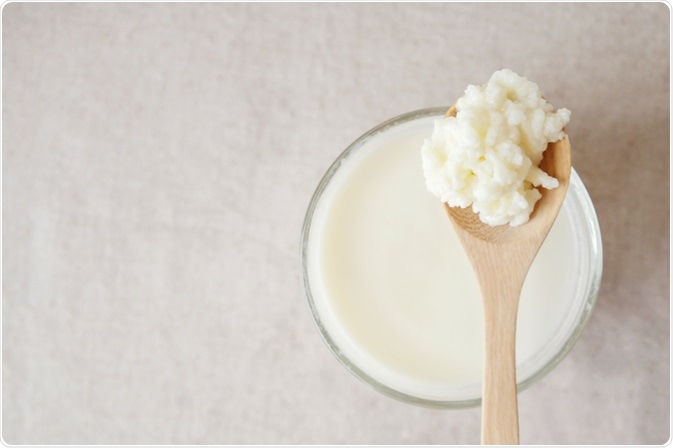
Welcome to this modern Kefir guide!

Kefir has been known as a powerful health promoting agent for hundreds of years. It was allegedly hoarded by people who lived in the mountains and often enjoyed health and longevity beyond a hundred years old. Meanwhile, their neighbors who lived in the valley without knowledge of kefir died much earlier.

Sometime in the 1700-1800s, people from Russia became very desiring of this Kefir and the story goes that a royal young lady was held kidnapped over it. She had to marry the ruler so that he would finally release the kefir grains to her people. As far as we know, all of the Kefir available today has roots in those Russian kefir expeditions.

ORIGIN OF KEFIR: Kefir likely came from somewhere around the northern border of Goergia, near Russia. Once the stories of amazing health and longevity reached the cities of Russia, the Russians had to go get some for their own, but it was not without conflict.

How do you pronounce kefir? I prefer to say it like, “kee-fur,” but some people have said, “keh-fir.” For now, I’ll stick with the former in part because I think more Americans know it like that.

By the way, I’m pretty sure the princess escaped back home with the kefir.

Supermarket Kefir vs. Homemade Raw Kefir

While commerical kefir may be healthier than most other items that you could buy at a supermarket, it certainly doesn’t pack the same health punch as traditional kefir from real kefir grains. Don’t get me wrong, kefir in stores like Whole Foods, QFC, Fred Meyer, Kroger, and other markets that I have seen around the country can be part of a healthy lifestyle. But there are downsides of kefir that you buy in stores.

Mass produced kefir is created with powder kefir culture starters as opposed to kefir grains and that is kind of a big deal. Since commercial kefir is grown with powder starters, it doesn’t contain the symbiotic yeasts and other naturally occurring living components of kefir.
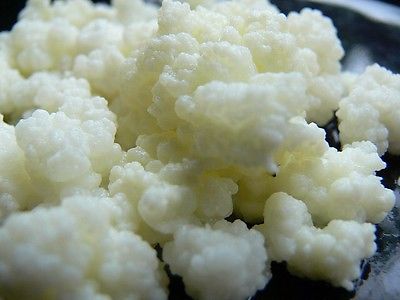
Kefir is easy to make. You just put these Kefir “grains” in some milk (preferably raw milk), let it sit for 24 hours at room temperature. Then you strain the grains and drink the fresh product.

Even though I strongly believe in real kefir from real kefir grains, I do support commerical kefir being in the grocery ecosystem. At the very least, having brands like Lifeway Kefir can bring awareness to people who want to make their own kefir at home.

I still buy Kefir from the grocery stores and co-ops sometimes.

This post contains some affiliate links to help you learn about products that I like. My favorite brand of Kefir is called, “Grace Harbor Farms,” and they sell a very high quality cow or goat kefir made from real kefir grains. I can taste and feel the difference.

Other downsides of store-bought Kefir

You have to be careful about the other brands because they might add regular milk after the fermentation process or they will label an item as being, “pomegranate flavored,” while containing no actual pomegranate.

If you must, buy unsweetened.

Drinking something that contains added sugars is almost never a good thing or there are far better natural alternatives that could nourish the system as well.
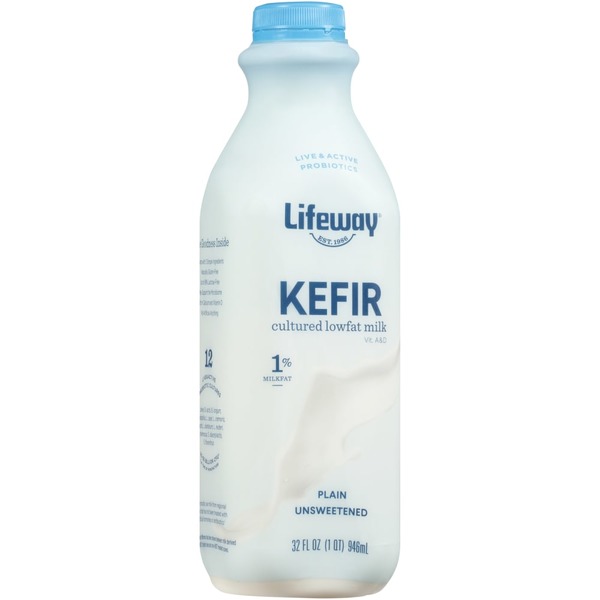
Probably very healthy, even though mass produced commercially from powdered starters.

Unsweetened dairy is the key if you are going to succeed in the dairy route. Sugary dairy can cause a metabolic disaster. If you are going to sweeten your dairy, perhaps go with honey, berries, or other natural ways.

Fermenting your own Kefir grains at-home can be easy, require little effort, and be cost effective.

Kefir is a great way to consume high quality protein, fats, carbs, minerals, enzymes, probiotics, antioxidants, and other beneficial living organisms.

Basically, Kefir has a ton of benefits for a person who wants to improve digestion and eliminate regularly.
If you are a person who has generally tolerated milk in the past, then going on kefir will be easier. However, if you are a person who has not tolerated milk, then going on kefir may need to be a more gradual process.

I have heard of people drinking kefir and then finally being able to enjoy ice cream and dairy again. They claimed, “Kefir healed and cured my lactose intolerance.” It wouldn’t surprise me.

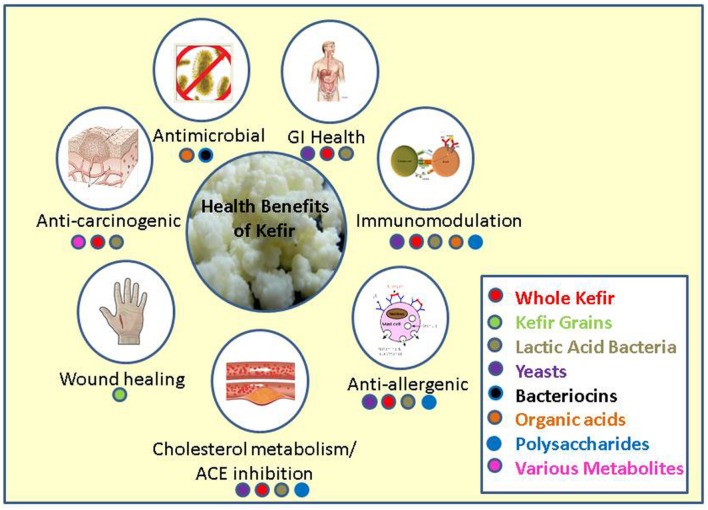
Before we go any further, I want to make a quick list of some benefits of Kefir and then we’ll continue the guide.

7 Benefits of Kefir:

Cholesterol Metabolism and ACE Inhibition

  • “Kefir grains are capable of reducing the cholesterol levels of milk through the fermentation process and have been shown to reduce the levels of cholesterol present by between 41 and 84% after 24 h fermentation and a further 48 h of storage.”

Effects on the Host Gut and Gut Microbiome

  • “Inhibits the adherence of Salmonella typhimurium and Escherichia coli.”
  • Kefir promotes changes in gene expression shown to be extremely important for the modulation of the host inflammatory response.

Antitumor Effects

  • Kefir is able to modulate the immune system in the gut. The immunomodulatory abilities of kefir go far beyond the gastrointestinal tract, likely throughout the entire body.

Immunomodulatory Effects

  • “The result was a shift from a Th1 immune response to a Th2 response as well as increases in the levels of IgA present.”
  • Immunoglobulin A (IgA) is the most abundant type of antibody in the body. It secretes immunogloblulins while promoting circulation of immunoglobulins. IgA has a protective effect for the mucosal tissues against microbial invasions and also supports immune homeostasis.

Anti-Allergenic Effects

  • Kefir supports the balance of Th1/Th2 cell ratio which is important because that is one of the mechanisms involved in food allergy.

Health Benefits of Yeast in Kefir

  • Some yeasts from kefir act as immunomodulators capable of decreasing the inflammatory signals.
  • Yeasts from kefir also act synergistically to improve the probiotic properties of bacterial species and co-aggregation makes their effects stronger.

Kefiran and the Cell Free Fraction of Kefir

  • Most people are unaware of Kefiran because it is undetectable in commercially produced Kefir.
  • Kefiran is hard to describe, but the presence of kefirans typically means that your kefir is happy and healthy. The kefiran is formed in stringy strands that hang out with the grains and are somewhat gooey.
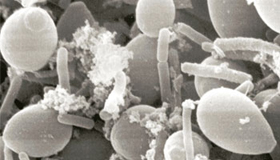
  • Kefiran alone is a remarkable immune booster and is even more powerful as a synergist with kefir probiotics.

But Dre, how does that help me poop better?

It helps because of the ways in which bacteria stick to your gut and how kefir can help you grow your own healthy bacteria while kicking out bad bacteria and bad yeasts like candida.

Kefir accomplishes many goals from a nutritional perspective. Aside from the amazing, gut/body-building amino acids found in Kefir, there are so many diverse living forms that for some reason are very compatible with the human biome. Kefir makes milk a food for babies and transforms it into one of the most nourishing gifts available to humanity.

Kefir helps you poop out the bad bacteria and helps to kill and poop out the mycotoxins and yeasts.

Super Simple Kefir Guide

Don’t let the process of fermenting kefir grains intimidate you.

It is actually way easier than kombucha.

Let’s transform milk from a dud to a tonic.

1. Acquire Kefir Grains

You can acquire kefir grains from Facebook groups, various kefir websites, from Amazon.com, or from natural health stores and co-ops. E-bay also has lots of kefir.

I always recommend these Kefir grains from Amazon.com. Make sure to get the larger size as it will make the starting process way easier and theoretically you’ll never have to buy grains again since the grains grow and replicate naturally from milk fermentation.

2. Acquire Kefir Fermentation Tools

Quick tip: Avoid metal and anything metal. Kefir prefers to stay away from metal. Use plastics, glass, mesh, etc.

Your fermentation container could be a bowl or it could be a fermentation bottle.

It is a good idea to let the kefir have air supply.

3. Once kefir arrives, place it in container with milk immediately.

The kefir needs milk in order to be happy and grow all of its beneficial probiotics and yeasts for you. Preferably, give it raw goat milk as I believe it to be the highest quality in my life. Obviously, most people don’t have access to this.

Does the quality of the milk matter with kefir fermentation? Yes, of course.

The better quality and the fresher the milk, the better quality and fresher the kefir. Ideally, stick unprocessed or minimally processed milk. Whole fat, non-homogenized, grass-fed, organic, and unpasteurized are best, but I recognize there are limitations.

1 Tablespoon of kefir grains per 4-6 ounces of milk.

4. Keep kefir in room temperature, with a breathable cover for 24 hours.

The amount of time varies based on the quantity and activity of the kefir grains as well as the type of milk and the room temperature. Fresh, full fat milk tends to ferment faster in my experience. Warmer temperature accelerates the process.

5. Make sure to stir, shake, or agitate the kefir regularly.

It’s good enough to stir the kefir with a wooden spoon even just once during the 24 hour fermentation window. If you have the kefir in a container with a lid, then you can just shake it around a little bit. This is good because it gives the kefir grains access to different parts of the food and it makes sure that the top part doesn’t grow kinda funky.

The easiest way to avoid the top part growing funky is by making sure it doesn’t sit too long. If it is sitting still for 48+ hours, that is not good. You need to repeat the process daily, so at least it isn’t hard to do.

6. Once the kefir has reached optimal fermentation, strain the kefir using a non-metal straining method.

Strain the kefir into a new bowl. Now that you have separated the grains from the liquid, you officially have your kefir drink.

Your options are as follows: a) drink it now, b) put it in the refrigerator and save for later, or c) double-ferment by leaving just this grain-free liquid out in room temperature for another 24 hours.

You can get benefits from kefir doing it any of these ways. Experimentation is best.

7. Put Kefir back in your fermentation container, add new milk and repeat the process.

After a few times, you will need to add more milk because your grains will have multiplied. The benefit of having more grains is that you can ferment smaller amounts of milk much faster in case you only have 12-18 hours before you wanted your next batch.

I hope this helps your digestion and elimination along with other things that may be bothering you.

If you find this helpful, please support the blog by hitting the follow button now.

Kefir can help you, but LISTEN to your body.

Hopefully, I can be of help to you. I am working now to provide relevant gut-health content for you. I am committed to this blog, but I am also considering taking on new clients as I have recently become certified as a Functional Nutritional Therapy Practitioner.

For the meantime, leave a comment here to communicate with me.


Sources:
Bourrie BC, Willing BP, Cotter PD. The Microbiota and Health Promoting Characteristics of the Fermented Beverage Kefir. Front Microbiol. 2016;7:647. Published 2016 May 4. doi:10.3389/fmicb.2016.00647
Maki R, Matsukawa M, Matsuduka A, et al. Therapeutic effect of lyophilized, Kefir-fermented milk on constipation among persons with mental and physical disabilities. Jpn J Nurs Sci. 2018;15(3):218-225. doi:10.1111/jjns.12189
Dimidi E, Christodoulides S, Scott SM, Whelan K. Mechanisms of Action of Probiotics and the Gastrointestinal Microbiota on Gut Motility and Constipation. Adv Nutr. 2017;8(3):484-494. Published 2017 May 15. doi:10.3945/an.116.014407

 

Body Composition Fat Loss Nutrition, Immunity, and Digestion Weightloss Now

3 Honest Examples of What I Eat

I’ve been asked lately about what I’ve been eating so here is a quick post to share with you today. You can see that even though I aim for nutrient dense foods, I also intake some inflammatory foods which I think is inevitable in real life.

Monday:

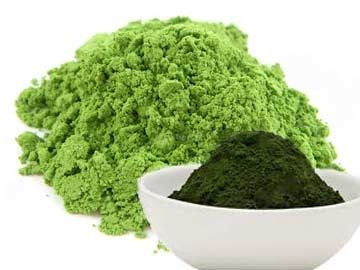
4AM: Chlorella algae powder w/ matcha powder (of green tea leaves). Feeling: Energized.

mysecretchlorella

Matcha (bright green, powerful energizing, brain boosting, antioxidant rich substance). Chlorella (dark green, extremely high chlorophyll making it a potent cellular rejuvinater and energizer).

5:00AM-7:45AM (coaching)

8:00AM – 8:20AM: abbreviated workout (20 mins of sleds)

 9:00AM Scrambled pastured eggs cooked w/ coconut oil. Black beans, a small avocado, some pepperjack cheese, a few bites of raw saurkraut (PROBIOTIC), and boiled chard.
12:30 PM Another round of chlorella/matcha because I was going back to coach.
1:15 PM: Meeting at the studio, food provided by management. Berries, then some of those deli wraps which did have flour, processed meat, cheese, lettuce, and tomato.
3:00PM-6:30 PM (coaching)
6:45 PM amazing chamomile tea from Roy Street coffee
7:30 PM Organic grass fed raw home-made Kefir (PROBIOTIC)

Tuesday:

3:50 AM: Chlorella algae powder w/ matcha.

4:45AM – 7:30AM (coaching)

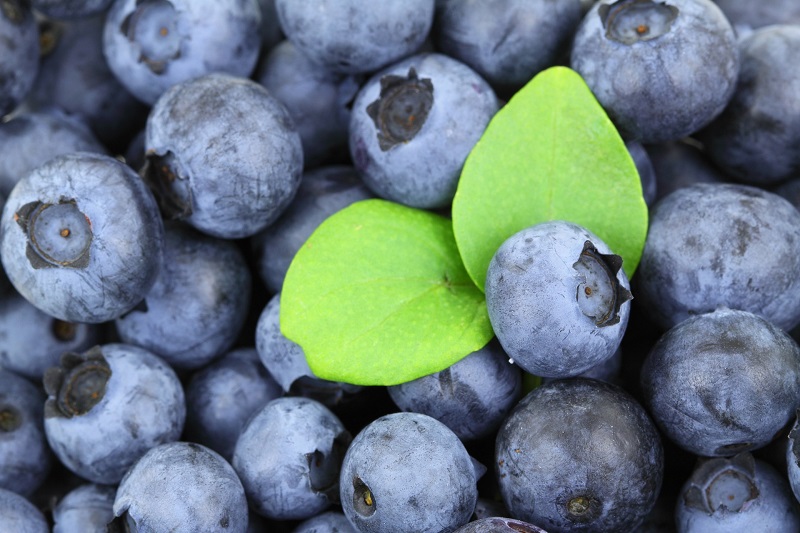
7:35 AM: Lots of blueberries as a gift from VIP member Deniz at LQA. Also a small peanut butter ball / protein snack that I had on the go walking from one training location to the next.

Blueberries are for antioxidant winners!

8:00AM – 9AM (coaching)
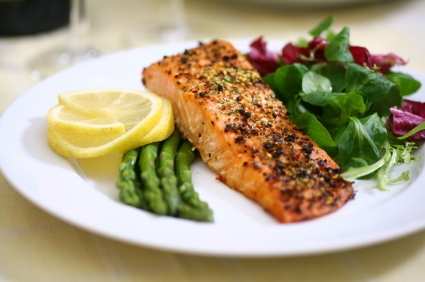
9:45 AM: Wild Alaskan King Salmon 8oz w/ raw saurkraut. (I wanted to have more veggies, but didn’t want to feel rushed during my short break so I just made it easy on myself and had the kraut).
11:00 AM: Americano from Analog Coffee. (nothing added)
12:20 PM: Small coconut nut butter protein ball (another little gift given to me from earlier) as a pre-workout energy source.
12:45 PM: Workout
1:45 PM: 16oz of coconut water (I just love a cold coconut water after the workout, not that I scientifically think it’s the best post-workout. It just makes me feel better than any of the hundred other post-workout drinks I’ve tried)
2:00 PM: Brew DR. Kombucha, “Spiced Apple,” flavor while chillin’ at Cal Anderson Park.

ITSDREFITNESSCalAndersonPark2017Sept26th

Picture at Cal Anderson park yesterday for my Instagram followers and blog readers.

3:00 PM: 24oz of Wild Alaskan King Salmon. Took 20oz of fresh spinach and steamed it/ate it. Also 2 bundles of chard which I boiled and ate that. Only had half an avocado because I was getting so full from the veggies.
5:30 PM – 9PM (coaching)
9:45 PM: Organic grass fed raw home-made Kefir (PROBIOTIC)

Wednesday:

5:40 AM: Chlorella algae powder w/ matcha

6:15 AM: Workout

7:20 AM: Post-workout, I had the Boar’s Head, “Rainier,” sandwhich from the QFC deli in Broadway Market w/ a coconut water of course. Another Brew Dr. Kombucha, this time “Clear Mind” flavor.
8:00 AM – 1:00 PM (coaching)
10:20 AM: During a quick break between coaching HIIT classes, I drank part of store bought Kefir called “Grace Harbor Farms, Plain Kefir” from QFC. This particular brand IS real legitimate kefir, unlike many store brands.
11:40 AM: Drank the other half of the bottle of kefir (Sometimes I only get a few moments to consume anything so I try to make it count, or otherwise I go too many hours without eating probably).
1:45 PM: Pho Than Brothers Pho #1 Large with extra broccoli.
2:30 PM – 4PM (coaching)
5:00 PM: One Chipotle Burrito Bowl with white rice, black beans, fajita vegetables, chicken, pico, salsa verde, corn, 1/2 serving sour cream, guacamole, and lettuce.
7:30PM: Goat Milk Kefir and start preparing for my day tomorrow.

kf

Kefir, a fermented milk beverage with promising health benefits.

Planning ahead for tomorrow

 Tomorrow I’ve planned that I will have more salmon/greens because today wasn’t my best eating day. I’ve taken on more work and helped other trainers at OTF so I notice that when my schedule becomes more demanding, I find it more challenging to consume the top foods. I’m sure you can relate.

Healthy food

I can’t wait to get salmon back in my body.

I already know that I’m going to have my matcha/chlorella around 4:00AM tomorrow. By 9AM, I’ll have some pastured eggs meal similar to that I had on Monday. Then when 3-4PM rolls around, I’ll be preparing my meal of fresh salmon / greens that I’ll have just picked up from the store. I try to go to bed around 8PM because if I get less than 6 hours of sleep, I already know it’s going to be a STRUGGLE to choose healthy foods. Sleep is so crucial for making the right choices.

Tomorrow will be a new day though, with more opportunities for nutrient dense food. It’s not glamorous that I have to wash a bunch of pots and pans to keep up with my cooking, but you just gotta do what you gotta do. I sometimes remind myself what a blessing it is to have access to some of the best nutrition in the world here in my city of Seattle. Why let the opportunity slip by?

Fat Loss Fitness Nutrition, Immunity, and Digestion

Three Simple Steps to Understanding Digestive Issues and the #1 Healing Food

Without good digestion, you cannot be in good health.

Almost everything about the human body relies upon the proper functioning of digestion.

At least 70% of all immune system function is in the digestive tract.

Nearly all components required for life are absorbed or created in the digestive system.

The state of your digestive system is indicative of your overall health. This is why it is imperative to listen to the signals that your body sends. Anything such as bloating, cramping, diarrhea, constipation, throw-up, and bloody stool should not be ignored.

Step 1. Mind-body Awareness: How do Certain foods affect you?

My journey in nutrition began as a way to build muscle without adding body fat. Therefore, I would study my body everyday and consider how the foods I ate affected the shape, size, and feel of my physique. That is how I determined “healthy” vs “unhealthy.”

But the reality goes much deeper than body fat percentage.

Here are the questions you can consider during and after each meal you consume:

  1. On a scale of -10 to +10, how effective does my digestion feel?
  2. Do I feel like I ate too much, too little, or just the right amount of foods?
  3. Are the foods I consumed causing gas, bloating, or an upset stomach?
  4. On a scale of -10 to +10, how energized do I feel?
  5. Do certain foods upset my stomach only when combined with other foods?
  6. Am I satisfied?

The goal is to have perfect digestion.

Step 2. Aim for Perfect Digestion

What is perfect digestion?

It is the maximum absorption of nutrients without causing harm or discomfort to the body.

Some foods are naturally highly digestible.

For example , bananas eaten alone are almost never known to cause an upset stomach. Avocados are also a very gentle food, high fiber, and highly satisfying.

Other foods are very difficult to digest.

Difficult foods to digest include processed milk, processed foods, highly saturated foods, and starchy or sugary foods.

Eat healthy. This is easier said than done, but simple really. Consume only foods that your digestive system approves of, and avoid all the rest. In this manner, only you know what is best for you.

Step 3. Seek out Healing Foods

Some healing foods are very common. For example, almost everybody has had broccoli at least once this year.

But other healing foods remain outside certain perspective.

My personal favorite number 1 Healing Food is Kefir

Kefir

Raw Kefir is my all time highest ranked healing food.

Kefir is similar to yogurt, but it is in the liquid form because the molecules are smaller. As a result of smaller molecules, the digestion is much easier on the body. But thats only one reason why it’s great for digestion…

Raw Kefir is created by combining Kefir “grains” (the live culture) with raw milk. The Kefir “grains” eat the lactose sugars from milk and convert the milk into a zero-glycemic probiotic superfood.

Kefir contains large amounts of beneficial Lactic acid bacteria:

By consuming lactic acid bacteria, the internal environment in your intestines is more suitable for the bacteria that naturally resides in your body. In other words, Kefir bacteria doesn’t necessarily stay inside you, but during the time that it is inside you, it is helping you grow your own healthy bacteria. Therefore, you have more intestinal balance.

The healthy bacteria in our bodies are beneficial in many ways.

  1. For one, healthy bacteria are essentially enzyme factories. They produce catalysts that make our bodies function more efficiently.
  2. Secondly, beneficial bacteria break down indigestible particles such as plant fibers.
  3. Third, healthy bacteria produce and convert vitamins. For example, Vitamin B12 is required in the metabolism of nearly every cell in the body and is vital in brain, nervous system, and blood formation. The only thing on this entire planet that can produce Vitamin B12 is bacteria. Another vitamin involved in healthy circulation and clotting is Vitamin K — which can only be converted to the preferred form (Vitamin K2 in the Mk7 form) through bacteria.
  4. Fourth, beneficial bacteria are essential for proper immune functioning. These bacteria can physically take the place of potentially harmful bacteria. Beneficial bacteria can also produce antifungal, antiviral, and antiyeast compounds.
  5. Fifth, these healthy bacteria can regulate a normal inflammatory response. When the bowels are inflamed, you are not healthy. By sustaining a healthy environment in the digestive system, beneficial bacteria are vital to overall health.

Kefir is high in Protein:

In addition to containing all of the benefits above, Kefir is also a valuable source of highly absorbable protein. Most of the protein in Kefir is essentially pre-digested as a result of the fermentation process. The Amino Acids from Kefir protein are in healthy ratios and promote healthy body functions.

Kefir is particularly high in the amino acid Tryptophan, which can be converted into various neurotransmitters. Kefir also contains a good ratio of L-Lysine to L-Arginine, amino acids that are vital to immune function.

Of course, Kefir also contains the essential amino acids like L-Leucine and L-Valine which directly support muscle tone. Kefir is just a great way to get your protein.

Kefir contains vitamins and minerals:

Aside from some of the B family vitamins, Kefir is high in both calcium and magnesium. Calcium, of course, supports bone density and magnesium has a variety of functions. I usually consume Kefir before bed because it can promote a healthy wake-sleep cycle.

Kefir benefits are backed by both testimonial and scientific evidence

I don’t sell Kefir, I just love it.

It heals me and has healed so many others. I consume it on a regular basis — I do not experience ANY symptoms of colds or flus when I regularly consume Kefir.

Believe in the cure…

You may never be healed completely or be able to eat like other people.

But that doesn’t mean your quality of life has to suffer.

If you believe that there is always something that you can do to make you feel better, then you will continue to search for the answers.

The more empowered you are with knowledge, the healthier you can seek to become.

The truth is out there.

Go forth and heal!

Nutrition, Immunity, and Digestion